
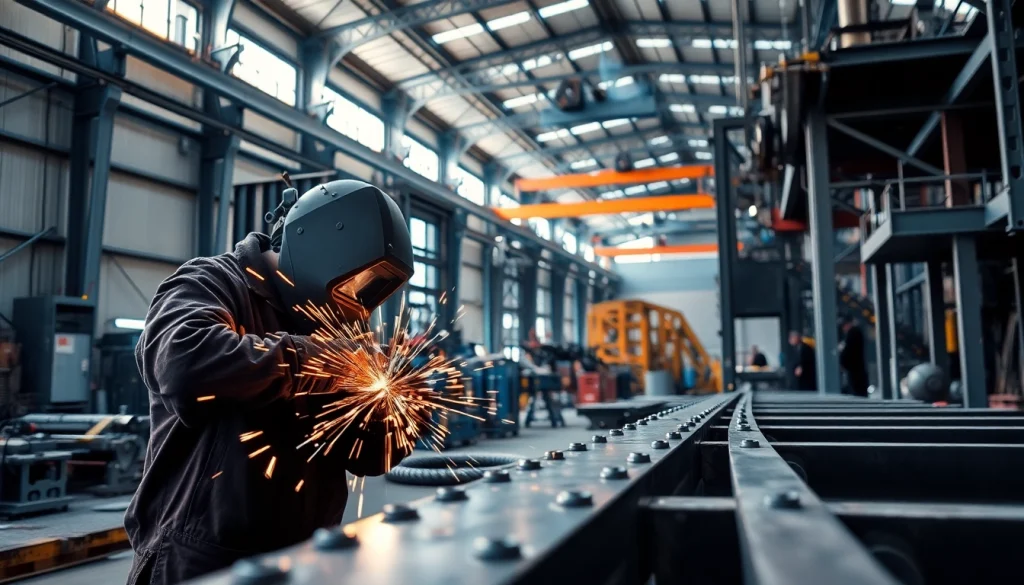
Understanding the Steel Fabrication Shop Process
Overview of Steel Fabrication Techniques
Steel fabrication encompasses a broad array of processes that involve manipulating raw steel to create custom structures and components. It includes processes like cutting, bending, welding, and finishing. Each technique has unique methods and equipment tailored to create different parts. For instance, laser cutting offers precision that is vital for intricate designs, while welding ensures structural integrity in joined components.
Key Equipment in a Steel Fabrication Shop
A well-equipped steel fabrication shop houses various essential machinery. Fundamental tools include:
- Laser Cutters: Provide precise cuts in various metal thicknesses.
- Plasma Cutters: Used for thicker materials and highly effective in cutting sheet metal.
- Welding Machines: MIG, TIG, and Stick welders are crucial for joining metal pieces.
- Bending Machines: Allow for the formation of horizontal and vertical bends according to specifications.
- Shears and Press Brakes: Essential for straight cuts and intricate bends, respectively.
Safety Standards in Steel Fabrication
Safety is paramount in steel fabrication shops due to the high-risk nature of the work. Compliance with OSHA regulations ensures a safe working environment. Key safety measures include:
- Personal Protective Equipment (PPE) such as helmets, gloves, and goggles.
- Regular safety training and drills for all employees.
- Proper ventilation systems to manage fumes and dust.
- Maintenance checks on machinery to prevent malfunctions.
Challenges Faced by Steel Fabrication Shops
Addressing Material Costs and Supply Chain Issues
Material costs in fabrication can fluctuate, affecting the overall pricing of projects. Steel prices are influenced by global market conditions. Fabrication shops must establish strong supplier relationships to mitigate risks and ensure timely delivery of materials. Regularly reviewing supplier contracts and diversifying sources can help maintain a stable supply chain and pricing structure.
Handling Labor Shortages in the Industry
The industry is currently suffering from a skilled labor shortage, which can severely impact the operational capacity of fabrication shops. To address this, shops can implement training programs and partnerships with local trade schools. Investing in apprenticeships not only narrows the skill gap but also creates a pipeline of talent entering the workforce.
Meeting Client Specifications and Custom Orders
Clients often demand highly customized solutions, presenting a challenge for consistent quality control. A systematic approach to project management, including thorough drafting, prototyping, and material selection, is essential. Engaging closely with clients during the planning phase helps clarify expectations and minimize rework.
Best Practices for Efficient Operations
Implementing Lean Manufacturing Principles
Lean manufacturing focuses on minimizing waste while maximizing productivity. For steel fabrication, this could involve streamlining workflows and optimizing equipment usage. Techniques such as Value Stream Mapping help identify bottlenecks and eliminate non-value-adding activities, leading to higher efficiency and cost-effectiveness.
Investing in Technology and Automation
The introduction of automation in fabrication processes, such as robotic welding and CNC machines, can significantly boost productivity and consistency. While the initial investment may be high, the long-term savings in labor costs and enhanced accuracy often justify the expenditure. Shops should stay updated on emerging technologies to remain competitive.
Training and Developing Skilled Labor
Continuous education and training are vital in keeping a workforce skilled and adaptable. Offering workshops on recent advancements in fabrication technology, safety practices, and quality control will ensure that employees remain competent and engaged. Additionally, fostering a culture of learning can help retention and attract new talent.
Emerging Trends in Steel Fabrication
Sustainability Practices in Steel Production
As environmental consciousness grows, steel fabrication shops are adopting sustainable practices. This includes sourcing recycled materials, reducing waste through efficient design, and implementing energy-efficient machinery. Certifications based on sustainability can also enhance brand reputation and attract environmentally minded clients.
The Rise of Digital Fabrication
Digital fabrication techniques, such as 3D printing of metal components, are changing the landscape of fabrication. These methods allow for rapid prototyping, which accelerates the development cycle. Incorporating digital fabrication can also reduce material waste and enable highly customized production without extensive setup changes.
Custom Solutions and Market Demands
Demand for tailored solutions continues to grow, reflecting the diverse needs of industries such as construction, automotive, and aerospace. Steel fabrication shops should design flexible production systems capable of handling both mass production and one-off custom requests, ensuring they meet the varying demands of their clients.
Future Prospects of the Steel Fabrication Shop Market
Market Growth and Industry Predictions
The steel fabrication market is poised for substantial growth, driven by infrastructure spending and increased demand for metallic structures. Innovations in fabrication methods and materials will open new avenues for growth. By remaining adaptable to market shifts and consumer needs, fabrication shops can solidify their position within the industry.
Impact of Regulations on Steel Fabrication
Regulatory frameworks governing the steel industry are evolving, particularly regarding environmental standards and safety protocols. Staying compliant not only avoids legal ramifications but also enhances business credibility. Shops must regularly review and adapt their processes to meet changing regulations.
Global Competition and Market Dynamics
As the industry becomes more globalized, steel fabrication shops must be aware of increasing competition from overseas markets offering lower labor costs. Competing effectively requires a focus on quality, service, and speed of delivery. Differentiating through superior customer service and innovation can create a competitive advantage.
Frequently Asked Questions
What is steel fabrication?
Steel fabrication is the process of designing, cutting, bending, and assembling steel structures, often used in construction and manufacturing industries.
What are common techniques in steel fabrication?
Common techniques include cutting, welding, bending, machining, and finishing processes, tailored for specific project requirements.
How can I ensure safety in a fabrication shop?
Ensuring safety involves providing PPE, conducting regular training, maintaining equipment, and following OSHA guidelines to minimize hazards.
What trends are emerging in steel fabrication?
Emerging trends include sustainability practices, increased automation, digital fabrication, and a focus on customized production to meet diverse client needs.
Where can I find reliable steel fabrication services?
To find reliable services, research local fabricators, check ratings and reviews, and evaluate their experience with similar projects.