
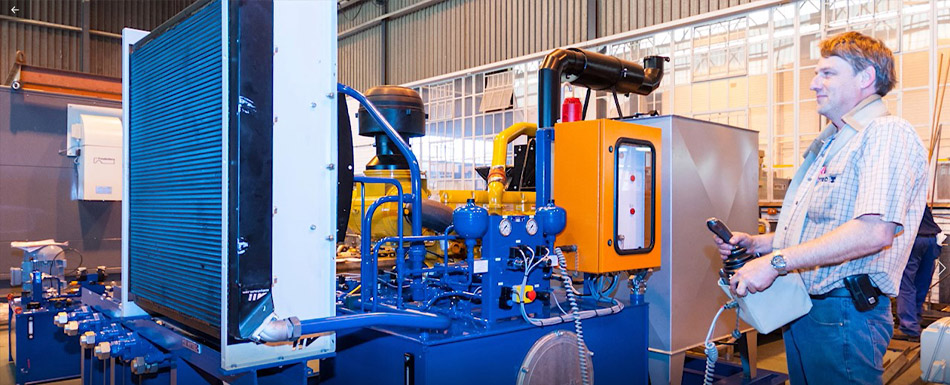
Understanding Hydraulic Hose Systems
Hydraulic systems are pivotal to the functionality of heavy machinery and various industrial applications. At the core of these systems lies the hydraulic hose, an essential component that transmits hydraulic fluid and facilitates power transfer. Understanding how hydraulic hose systems work is vital for effective maintenance and repair. This includes familiarizing oneself with the components that make up these systems, as well as recognizing common issues that can arise.
Components of Hydraulic Hose Systems
A typical hydraulic hose system consists of several key components:
- Hydraulic Hoses: These flexible tubes carry hydraulic fluid under pressure. They are designed to withstand high pressure and temperature variations.
- Fittings: These components connect hoses to machines or other hoses, ensuring a secure and leak-free connection.
- Adapters: Used to join hoses with different diameters or thread types.
- Valves: Control the flow and pressure of hydraulic fluid, allowing for precise operation of machinery.
- Pumps: Create the hydraulic energy required by the system, converting mechanical energy into hydraulic energy.
Common Issues and Challenges Faced
Hydraulic hose systems are subject to wear and tear due to their operational demands. Some common issues include:
- Leaks: Often caused by wear, damage, or improper connections, leaks can drastically affect system performance.
- Visibly Damaged Hoses: Cracks, blisters, or abrasions can weaken hoses, leading to potential failure.
- Pressure Drops: A drop in pressure can indicate blockage or leaks within the system.
- Noisy Operation: Unusual sounds might suggest air trapped in the system or malfunctioning components.
Importance of Regular Maintenance
Regular maintenance is crucial for preventing failures and prolonging the life of hydraulic hose systems. Frequent inspections can identify problems early, minimize downtime, and ensure that machinery operates effectively. Maintenance should include:
- Visual inspections for wear and damage.
- Pressure testing to ensure integrity.
- Replacing hoses at the first sign of wear.
Steps for Effective Hydraulic Hose Repair
When hydraulic hoses fail, prompt repair is essential. Here are systematic steps to carry out an effective hydraulic hose repair:
Identifying the Problem Area
Before any repair work can begin, the first step is to accurately identify the problem area. This may involve:
- Inspecting hoses for obvious signs of damage, such as cracks or frays.
- Checking fittings and connections for leaks.
- Monitoring system pressures and flows to pinpoint inefficiencies.
Cutting and Fitting New Hoses
Once you have identified the faulty section, cutting and fitting new hoses accurately is crucial:
- Measure the necessary length of the new hose, ensuring it matches the existing setup.
- Cut the hose cleanly using a proper cutting tool to avoid fraying.
- Attach the correct fittings, ensuring they are crimped or secured as per manufacturer instructions.
Testing After Repair
After installing the new hose, thorough testing is necessary:
- Check for any leaks at the fittings and hose connections.
- Run the system and observe pressure readings.
- Listen for any abnormal sounds indicating issues.
Tools and Materials Needed for Hydraulic Hose Repair
Equipping yourself with the right tools and materials can make hydraulic hose repair much more manageable and effective. Below are the essentials:
Essential Tools for Repairs
Some vital tools for hydraulic hose repair include:
- Cutters: Specifically designed for clean cuts on hydraulic hoses.
- Crimping Tools: Necessary for securely attaching fittings to hoses.
- Wrenches: To tighten and loosen fittings effectively.
- Pressure Testers: To assess the integrity of the hose system.
Choosing the Right Hose Material
The choice of hose material is critical for performance. Common materials include:
- Synthetic Rubber: Resistant to oil and weather, making it a popular choice.
- Thermoplastic: Lightweight and resistant to abrasion, suitable for low-pressure settings.
- Wire-Reinforced Hoses: Ideal for high-pressure applications due to their strength.
Purchasing Quality Fittings
Using high-quality fittings ensures leak-free connections. Considerations include:
- Material compatibility with the hose and the hydraulic fluid.
- Thread types and sizes to match with existing systems.
- Reputation of the manufacturer, opting for trusted brands.
DIY vs. Professional Hydraulic Hose Repair
Deciding between attempting to repair a hydraulic hose yourself versus hiring professionals often depends on the complexity of the issue and your experience level. Here are factors to consider:
When to Attempt Repairs Yourself
DIY repairs might be suitable for:
- Minor issues, such as tightening fittings or replacing short hose sections.
- If you have adequate knowledge and tools to perform repairs safely.
- Routine maintenance tasks that do not require special expertise.
Benefits of Hiring Professionals
Professional hydraulic hose repair offers several advantages:
- Access to specialized tools and equipment
- Expertise in diagnosing complex issues that may not be immediately visible.
- Ability to guarantee repairs with industry-standard practices and knowledge.
What to Expect from a Professional Service
When hiring a professional service, you should expect:
- Comprehensive system evaluations to identify all potential issues.
- Clear communication regarding expected repairs and costs.
- Timely execution of repairs with minimal disruption to your operations.
Frequently Asked Questions about Hydraulic Hose Repair
Can hydraulic hoses be repaired?
Hydraulic hoses can often be repaired using temporary patches, but for long-term safety and performance, full replacement is recommended.
How can I identify a hydraulic hose issue?
Look for signs such as leaks, pressure drops, or unusual noises during operation to spot potential issues in hydraulic hoses.
Is DIY hydraulic hose repair safe?
DIY hydraulic hose repair can be safe if you possess the right tools and knowledge. However, avoid complex repairs if you’re inexperienced.
What materials are best for hydraulic hoses?
Synthetic rubber and thermoplastics are preferred for hydraulic hoses due to their durability against hydraulic fluids and varying temperatures.
How often should I inspect my hydraulic hoses?
It is advisable to inspect hydraulic hoses every three months or more frequently for high-use machinery to ensure optimal performance and safety.
For reliable hydraulic hose repair, ensuring safety and efficiency in all operations is paramount!