
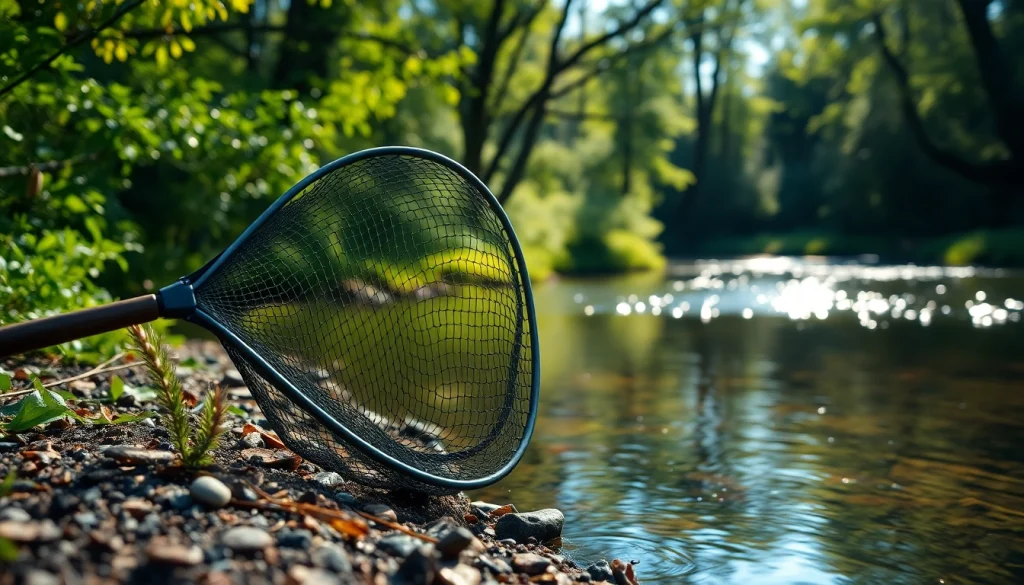
When it comes to the art of fly fishing, every angler knows that having the right gear is essential to an enjoyable and successful experience. One crucial piece of equipment that often goes overlooked is the fly fishing net. A Fly fishing net plays a pivotal role not only in making the catch easier but also in preserving the health and wellbeing of fish, especially when practicing catch-and-release fishing. In this comprehensive guide, we will explore the various aspects of fly fishing nets—including their importance, types, materials, and usage tips—to help you make informed decisions and enhance your fishing experience.
Understanding the Importance of Fly Fishing Net
Why Fly Fishing Net Enhances Catch-and-Release
Catch-and-release fishing is a practice that many anglers embrace to promote sustainability and conservation. A good fly fishing net is indispensable in this method, as it minimizes the time a fish spends out of water and reduces stress during the landing process. When you use a net designed specifically for fly fishing, the rubberized mesh reduces fish injuries compared to knotted nets, which can harm a fish’s delicate skin and scales. This gently cradles the fish, increasing its chances of survival when it is released back into the water.
The Environmental Impact of Using Fly Fishing Net
Using the right fly fishing net has profound environmental implications. By promoting effective catch-and-release practices, you contribute to maintaining local fish populations and ecosystems. Rubber mesh nets minimize harm to fish and also mitigate the potential tangling that often occurs with traditional nets. Furthermore, selecting nets made from sustainable materials not only benefits the fish but also aligns with the broader goal of protecting our natural resources.
Benefits of Different Mesh Types in Fly Fishing Net
The mesh type of your fly fishing net significantly affects the capture and release process. Traditional nylon nets can entangle fish and lead to injuries, whereas modern rubberized nets offer a smoother surface that is less likely to grip onto a fish’s fins or gills. Many fly fishing nets come with a grid-pattern mesh which allows water to flow freely, thus reducing drag when the fish is caught. Understanding the benefits of different mesh types can help you choose the best option for your fishing style.
Types of Fly Fishing Net
Wooden vs. Carbon Fiber Fly Fishing Net
Two primary materials dominate the fly fishing net market: wood and carbon fiber. Wooden nets embody tradition and aesthetic appeal, often featuring beautifully crafted designs. They are generally heavier, which may not suit all anglers. Conversely, carbon fiber nets are lightweight and durable, making them easier to carry and maneuver in specific fishing environments. Understanding the pros and cons of each material will help you choose one that aligns with your preferences.
Choose the Right Size for Your Target Fish
The size of your fly fishing net is critical to its functionality. If you’re targeting smaller species like trout, nets with a hoop size of 8-15 inches are generally sufficient. For larger fish such as salmon or steelhead, a net with a hoop size of over 20 inches is advisable. The right size not only aids in landing the fish but also minimizes stress, increasing the chances for a successful catch-and-release.
Special Features in Modern Fly Fishing Net Designs
Modern fly fishing nets come equipped with various features that enhance usability. Many nets have built-in measuring tools, allowing you to quickly assess the size of your catch. Some models also offer removable mesh net styles, making them easy to replace if damaged. Additional features like floating handles and ergonomic grips make for enhanced comfort and functionality, letting anglers quickly transition from casting to landing fish.
Materials and Durability of Fly Fishing Net
Understanding Mesh Types and Durability
The durability of your fly fishing net primarily hinges on the materials used, especially the mesh and frame. Rubberized mesh nets are highly regarded for their longevity, fish-friendliness, and ease of cleaning. The frames can be made from wood, aluminum, or carbon fiber, each offering various levels of durability and weight. It’s crucial to invest in high-quality materials that withstand the rigors of frequent use and maintain their integrity over time.
Climate Considerations When Choosing Fly Fishing Net
Climate plays a significant role in determining the appropriate fly fishing net. In warmer climates, a lightweight net made of carbon fiber may be preferable for its ease of handling. However, in colder climates where you might fish in icy waters, a heavier wooden net might offer insulation benefits. Furthermore, ensure that the materials used are weather-resistant to avoid deterioration from UV rays or humidity.
How to Maintain Your Fly Fishing Net
Proper maintenance is essential for prolonging the life of your fly fishing net. After each use, rinse it in fresh water to remove dirt, algae, and salt, if applicable. Allow the net to dry completely to prevent mold and odors. Store it in a cool, dry place, and inspect it regularly for any signs of wear or damage. Taking these simple steps can help maintain the integrity and functionality of your net over time.
Tips for Using Fly Fishing Net Effectively
Correct Technique to Land Fish with a Fly Fishing Net
Using the correct technique when landing a fish can significantly enhance your fishing experience. First, try to keep the rod at a 45-degree angle to control the fish’s movements while avoiding excessive stress. When you’re ready to net the fish, position the net at a 45-degree angle and lead the fish into the net. Remember to keep the net in the water until you’re ready to lift the fish, which will help to keep it calm and reduce the chances of it escaping.
Maximizing Efficiency with Fly Fishing Net
Efficiency in net usage can greatly improve your success rate while fishing. Practice makes perfect, so take the time to become proficient at using your net. Keep the net within easy reach while you’re fishing and maintain an awareness of your surroundings. Familiarize yourself with the net’s construction for quick maneuverability when a fish is on the line.
Common Mistakes to Avoid When Using Fly Fishing Net
Even seasoned anglers can make mistakes when using a fly fishing net. One common error is lifting the fish out of the water prematurely, which can lead to injury or escape. Another mistake is using the net on a surface that may snag, like rocks or debris. It’s essential to be patient and allow the fish to tire before attempting to net it. Being aware of these pitfalls can help you become more successful and efficient in your fishing endeavors.
Frequently Asked Questions About Fly Fishing Net
What size net is best for fly fishing?
For smaller trout, nets with a hoop size of 8-15 inches work well, while larger species like salmon or steelhead require nets with hoop sizes over 20 inches.
Can I use a fly fishing net for other types of fishing?
Yes, you can use a fly fishing net for other fishing types, especially for catch-and-release fishing due to its gentle mesh material.
How do I clean my fly fishing net?
It’s best to rinse your fly fishing net in fresh water and let it dry completely to prevent mold. Regular cleaning ensures longevity.
Why is using a rubber mesh fly fishing net beneficial?
Rubber mesh minimizes fish injury and tangling, thereby increasing the chances of successful catch-and-release when fishing.
How do I store my fly fishing net properly?
Store your fly fishing net in a cool, dry place away from sunlight to prevent material degradation and warping over time.