
Anxiety Symptoms Explained With Practical Coping Steps
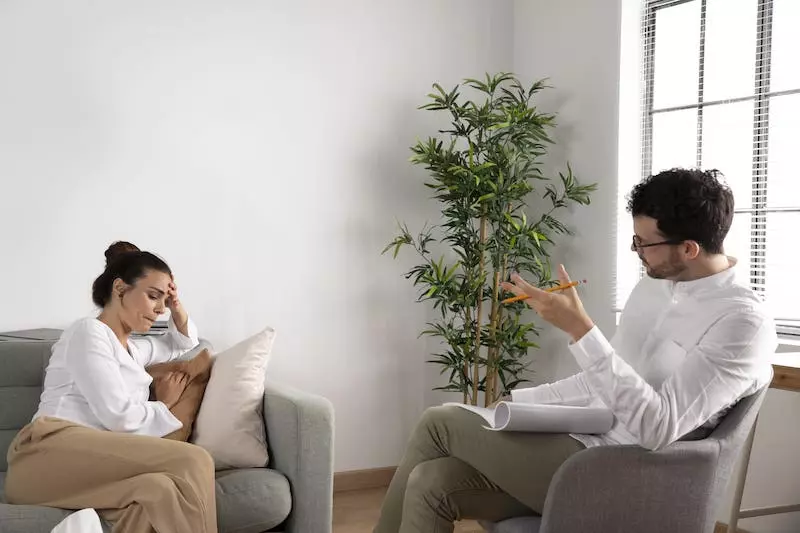
Understanding anxiety is not enough; knowing how to cope effectively is essential for maintaining emotional balance and overall well-being. Anxiety symptoms can range from persistent worry to physical tension, and having practical strategies to manage them empowers individuals to regain control and improve daily functioning.
Identifying Anxiety Symptoms
The first step in coping with anxiety is recognizing its signs, which may manifest emotionally, physically, cognitively, or behaviorally.
Emotional Indicators
Persistent worry, irritability, restlessness, or fear are common emotional anxiety symptoms. Recognizing these feelings early allows for timely intervention.
Physical Indicators
Muscle tension, headaches, rapid heartbeat, digestive disturbances, and sleep problems often accompany anxiety. Noticing these signs can help identify triggers and patterns.
Cognitive Indicators
Difficulty concentrating, overthinking, negative self-talk, and indecisiveness are cognitive signs of anxiety that can interfere with productivity and decision-making.
Behavioral Indicators
Avoidance, social withdrawal, compulsive checking, or reassurance-seeking are behaviors that often arise in response to anxiety symptoms.

Practical Coping Steps for Anxiety
Once symptoms are recognized, structured coping strategies can reduce their impact and enhance resilience.
Mindfulness and Breathing Techniques
Practicing mindfulness helps anchor attention in the present, reducing excessive worry. Deep breathing or box breathing techniques calm the nervous system and reduce physical tension.
Physical Activity and Exercise
Regular exercise releases endorphins, supports nervous system regulation, and alleviates muscle tension, which can directly reduce the intensity of anxiety symptoms.
Establishing a Routine
Maintaining consistent sleep schedules, balanced nutrition, and structured daily activities promotes stability and reduces uncertainty, which often triggers anxiety.
Cognitive Strategies
Challenging negative thoughts, reframing worries, and focusing on solutions rather than problems strengthens mental resilience and reduces cognitive overload.
Relaxation Practices
Progressive muscle relaxation, yoga, meditation, or listening to calming music can lower physical and emotional arousal, improving overall well-being.
Social Support and Communication
Sharing feelings with trusted friends, family, or support groups helps reduce emotional burden and provides perspective, encouragement, and reassurance.
Professional Guidance
For persistent or severe anxiety symptoms, consulting a therapist or counselor can provide tailored coping strategies, evidence-based interventions, and ongoing support.
Integrating Coping Strategies Into Daily Life
Consistency and practice are key to effective anxiety management. Combining multiple strategies often yields the best results.
Creating a Coping Plan
Identify personal triggers, select suitable coping techniques, and schedule regular practice to reinforce healthy habits.
Monitoring Progress
Tracking symptoms and noting improvements over time helps individuals stay motivated and adjust strategies as needed.
Practicing Self-Compassion
Recognizing that anxiety is a normal response and approaching coping with patience and kindness fosters sustainable change.
Conclusion
Anxiety symptoms can disrupt daily life, but practical coping steps empower individuals to manage emotional, physical, cognitive, and behavioral challenges effectively. By combining mindfulness, lifestyle adjustments, cognitive strategies, relaxation techniques, social support, and professional guidance, individuals can reduce anxiety’s impact and enhance overall well-being. Calm Minds Hub emphasizes compassionate, evidence-based approaches to help individuals navigate anxiety with confidence and control. Discover new tools, guides, and updates by visiting the main page.
FAQs
What are the most effective coping steps for anxiety
Effective coping steps include mindfulness and breathing exercises, regular physical activity, establishing routines, cognitive reframing, relaxation practices, social support, and seeking professional guidance when needed.
Can coping strategies completely eliminate anxiety symptoms
While coping strategies may not completely eliminate anxiety, they significantly reduce its intensity, improve emotional regulation, and enhance daily functioning.
How do I know which coping steps work best for me
Experimenting with different techniques, tracking symptom patterns, and seeking guidance from mental health professionals can help identify which strategies are most effective for individual needs.