Home Security Essentials for Every Modern Household
In today’s rapidly evolving world, securing your home has become more than a precaution—it is a necessity. Home Security is no longer limited to simple locks or alarm systems. Modern households require a comprehensive approach that combines technology, strategic planning, and proactive habits to ensure the safety of occupants and property. From protecting against intrusions to monitoring environmental hazards, understanding the essentials of home security is critical for creating a secure and resilient living space. This guide explores the core components every modern household should consider, offering insights into best practices, technology integration, and practical tips for long-term protection.
- Understanding the Foundations of Home Security
- Securing Entry Points: Doors and Windows
- Surveillance and Monitoring Systems
- Alarm Systems and Emergency Alerts
- Environmental and Safety Sensors
- Lighting and Outdoor Security
- Smart Home Integration and Automation
- Cybersecurity and Digital Protection
- Emergency Planning and Preparedness
- Maintenance and Ongoing Evaluation
- Psychological Benefits of Comprehensive Home Security
- Future Trends in Home Security Essentials
- Conclusion
- FAQs
Understanding the Foundations of Home Security
Home security is most effective when built on a solid foundation. This involves understanding vulnerabilities, assessing risks, and implementing layered protection strategies.
The Importance of a Security Mindset
Security begins with awareness. Homeowners must recognize that threats are not always visible or predictable. Developing a proactive security mindset involves anticipating risks, educating all household members, and treating security as an ongoing process rather than a one-time setup.
Assessing Your Home and Lifestyle
Each household has unique needs. Factors such as property size, layout, neighborhood characteristics, and daily routines all influence the type of security measures required. Conducting a comprehensive assessment helps identify vulnerable entry points, high-risk areas, and priority zones for monitoring and protection.
Layered Security Approach
Effective home security involves multiple layers, combining physical barriers, technology, monitoring, and behavior-based strategies. Layered security ensures that even if one measure is compromised, other protections remain in place to safeguard the household.
Securing Entry Points: Doors and Windows
Most unauthorized entries occur through doors and windows. Reinforcing these areas is fundamental to home security.
High-Quality Locks and Deadbolts
Locks are the first line of defense. Deadbolts, reinforced strike plates, and tamper-resistant hardware strengthen doors and make unauthorized entry significantly more difficult. Investing in high-quality locks is a cost-effective way to enhance overall protection.
Smart Locks and Keyless Access
Smart locks provide convenience and advanced control over home access. Homeowners can assign temporary codes, monitor entry logs, and remotely lock or unlock doors. These features add flexibility while maintaining security, particularly for households with multiple occupants or frequent visitors.
Window Security Solutions
Windows can be vulnerable if not properly secured. Reinforced glass, window locks, and security film prevent break-ins. Additionally, window sensors can detect forced entry, providing real-time alerts to homeowners. Proper placement of these devices ensures maximum coverage and protection.
Surveillance and Monitoring Systems
Surveillance is both a deterrent and a critical tool for responding to security events. Modern technology provides a wide range of options for effective monitoring.
High-Definition Video Cameras
High-resolution cameras capture clear images, enabling identification of people, vehicles, and unusual activity. Indoor and outdoor cameras serve complementary purposes, covering all critical areas. Night vision and infrared technology ensure visibility even in low-light conditions.
Intelligent Motion Detection
Advanced cameras and sensors detect movement, differentiate between humans, pets, and vehicles, and trigger alerts when suspicious activity is identified. This reduces false alarms and ensures that homeowners receive meaningful notifications.
Centralized Security Dashboards
Modern systems offer centralized platforms that allow homeowners to manage all devices from a single interface. This integration simplifies monitoring, enables real-time responses, and provides comprehensive activity logs for review and analysis.
Alarm Systems and Emergency Alerts
Alarms remain a cornerstone of home security, providing immediate notification of potential threats.
Wired vs Wireless Systems
Wired systems offer reliability and stability, while wireless systems are flexible and easier to install. Both types can be highly effective when properly configured and maintained. Selection should consider property layout, future expansion needs, and personal preferences.
Professional vs Self-Monitoring
Professionally monitored systems connect directly with security providers who can respond immediately to alarms. Self-monitored systems provide notifications directly to homeowners. Hybrid approaches combine both benefits, allowing for cost-effective and responsive security.
Redundancy and Backup Systems
Alarms should include battery backups and alternative communication channels, such as cellular connectivity, to maintain operation during power outages or network failures. Reliable redundancy ensures continuous protection.
Environmental and Safety Sensors
Home security extends beyond protection from intrusions to safeguarding against environmental hazards.
Fire and Smoke Detection
Modern fire alarms are often integrated into security systems, sending alerts to homeowners and emergency services simultaneously. Early detection reduces the risk of injury and property damage.
Carbon Monoxide and Gas Leak Sensors
Toxic gases pose serious health risks. Sensors for carbon monoxide and natural gas leaks provide immediate alerts, enabling timely evacuation and preventive measures.
Water Leak and Flood Detection
Basements, kitchens, and bathrooms are prone to leaks and flooding. Sensors can detect early signs of water intrusion, minimizing property damage and associated repair costs.
Lighting and Outdoor Security
Strategic lighting is a cost-effective and powerful deterrent against intruders.
Motion-Activated Outdoor Lighting
Motion-activated lights illuminate entry points, pathways, and dark areas around the home. Sudden illumination deters intruders and increases visibility for occupants and neighbors.
Smart Lighting Systems
Automated lighting schedules or remote control via mobile apps can simulate occupancy, making homes appear inhabited even when empty. Smart lighting integration adds an additional layer of home security while enhancing convenience.
Visibility and Landscaping
Proper landscaping removes hiding spots for intruders while maintaining clear sightlines from windows and entrances. Trimming shrubs and trees near doors and windows improves both natural surveillance and camera effectiveness.
Smart Home Integration and Automation
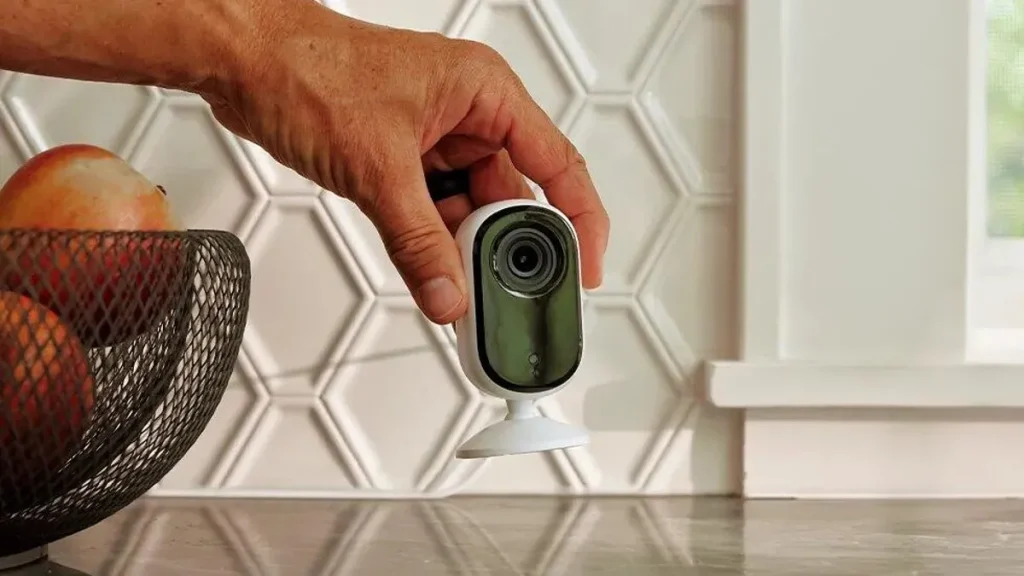
Integration of home security with smart home technology provides a seamless, centralized approach to protection.
Centralized Hubs and Control Platforms
A central hub allows for coordinated management of cameras, locks, alarms, sensors, and lighting. Homeowners can monitor and control all aspects of security from a single interface, ensuring that devices work together effectively.
Automation and Conditional Responses
Automated responses to triggers, such as turning on lights when motion is detected or locking doors at specific times, enhance protection without requiring constant manual intervention. Automation ensures that the system reacts promptly to potential threats.
Remote Monitoring and Notifications
Smart home integration enables real-time alerts and system control from anywhere. Homeowners can check video feeds, adjust settings, or respond to alarms remotely, maintaining oversight even when away from home.
Cybersecurity and Digital Protection
Connected devices are vulnerable to cyberattacks, making digital protection an essential component of modern home security.
Secure Networks and Encryption
All devices should communicate through secure, encrypted channels. Protecting Wi-Fi networks and avoiding default passwords reduces the risk of hacking and unauthorized access.
Regular Software and Firmware Updates
Devices require regular updates to patch vulnerabilities and improve functionality. Keeping software current ensures ongoing reliability and security.
Multi-Factor Authentication
Accessing home security apps or systems should require secure authentication methods, including passwords combined with verification codes or biometrics, reducing the risk of unauthorized control.
Emergency Planning and Preparedness
Effective home security includes planning for emergencies beyond intrusions.
Evacuation Plans and Drills
Households should establish clear evacuation routes and conduct regular drills. Preparedness reduces confusion and ensures rapid, safe responses during emergencies such as fires, floods, or intrusions.
Emergency Contact Information
Keeping contact information for local authorities, security providers, and family members readily available is essential. Quick access ensures timely assistance during incidents.
Redundancy and Backup Systems
Power failures or network outages can disable security systems. Backup power supplies and redundant communication channels maintain continuous protection, even during unexpected disruptions.
Maintenance and Ongoing Evaluation
Home security requires consistent attention and evaluation to remain effective.
Routine Testing and Inspections
Regularly testing alarms, sensors, cameras, and locks ensures proper functionality. Identifying and addressing issues proactively prevents gaps in protection.
Updating Systems With New Technology
Security technology evolves rapidly. Periodic upgrades and integration of new devices enhance coverage, improve response times, and maintain effectiveness against emerging threats.
Adjusting Security to Lifestyle Changes
Life events, renovations, or changes in occupancy affect security needs. Adapting systems to these changes ensures continued effectiveness and relevance.
Psychological Benefits of Comprehensive Home Security
Home security is not just about physical safety; it also provides peace of mind and emotional reassurance.
Reduced Anxiety and Stress
Knowing that the home is continuously monitored and protected allows residents to feel secure and focus on daily life without constant worry.
Deterrence and Perceived Security
Visible cameras, lights, and security signage discourage potential intruders. The perception of a well-secured home can be as powerful as the physical protection itself.
Enhanced Sense of Control
Integrated systems empower homeowners to monitor and manage security proactively, fostering confidence and a sense of control over the living environment.
Future Trends in Home Security Essentials
The home security landscape is evolving rapidly, and modern households should anticipate emerging trends.
Artificial Intelligence and Predictive Security
AI-powered systems can analyze patterns, predict potential risks, and automatically respond to unusual activity, providing proactive rather than reactive protection.
Advanced Biometric Access
Future systems will increasingly rely on facial recognition, voice authentication, and other biometrics for secure, convenient, and personalized access control.
Greater Community Integration
Home security will extend beyond individual properties, connecting with neighborhood networks, smart city infrastructure, and emergency response systems for a collaborative approach to safety.
Conclusion
Modern home security requires a combination of physical protection, technological innovation, proactive behavior, and ongoing evaluation. By securing entry points, integrating smart devices, monitoring environmental hazards, and maintaining vigilance, households can create a robust safety network that protects both property and residents. Home security is not a one-time effort but a continuous commitment that evolves with lifestyle, technology, and emerging threats. Prioritizing these essentials ensures that families enjoy both safety and peace of mind in today’s dynamic world. Your journey starts at our homepage—check it out today.
FAQs
What are the most essential components of home security for modern households?
The essentials include high-quality locks, surveillance cameras, alarms, motion sensors, environmental hazard detectors, lighting, and smart home integration. These components work together to provide comprehensive protection for both occupants and property.
How can smart home integration improve home security?
Smart home integration allows centralized control of security devices, automated responses, and remote monitoring. Coordinated systems ensure faster reaction to threats, reduce false alarms, and provide homeowners with real-time awareness and control.
How often should home security systems be updated or evaluated?
Systems should be evaluated at least annually or whenever there are changes in the household, property layout, or local crime patterns. Regular updates, device maintenance, and system upgrades ensure continued effectiveness and adaptation to emerging security challenges.