Understanding the Role of a Videographer
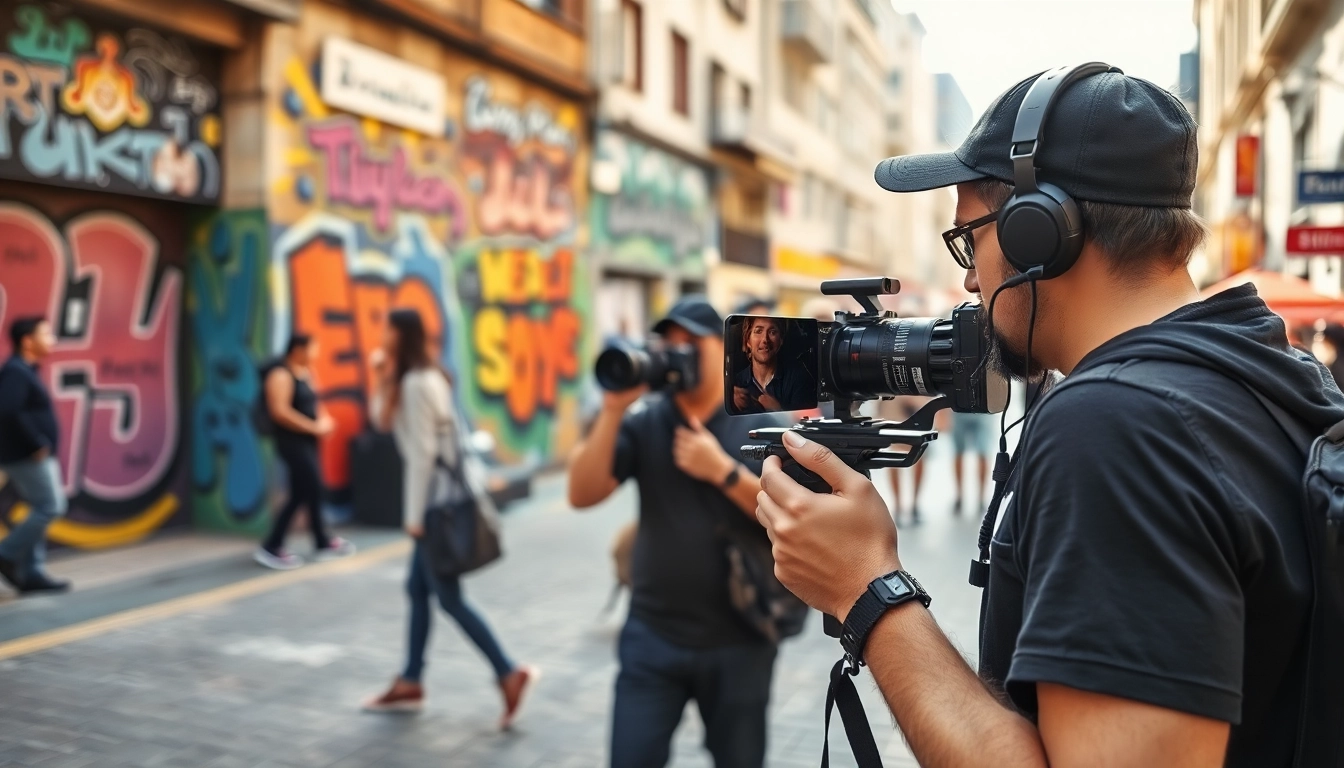
In today’s digital world, visual storytelling has found its strongest advocates in professional Videographers. Whether it’s for marketing campaigns, corporate events, or personal celebrations like weddings, videographers bring a unique perspective that captures moments in motion. They are essential for crafting narratives that resonate with audiences and evoke emotions.
What Does a Videographer Do?
A videographer is primarily responsible for recording video footage and editing it into a cohesive narrative. This involves not only capturing the images but also ensuring the technical aspects, such as lighting, sound, and framing, are optimally managed. The process generally follows several stages:
- Pre-Production: Planning is crucial. This includes scriptwriting, storyboarding, and determining the necessary equipment and locations.
- Production: This is the filming phase where the videographer executes the plan, capturing video footage and audio.
- Post-Production: This final stage involves editing footage, adding effects, color correction, and sound design to polish the final product.
The videographer’s work doesn’t stop with just filming; their expertise also extends into editing and post-production, where they mold the raw footage into an engaging final product.
Types of Videographers Available
Videography is a broad field with several specialized niches. Here are some common types:
- Event Videographers: Specialize in covering events such as weddings, birthdays, and corporate functions.
- Commercial Videographers: Focus on creating promotional videos for businesses to help them market their products or services.
- Documentary Videographers: Tell compelling stories through documentary-style films that engage viewers with genuine narratives.
- Freelance Videographers: These individuals often work on a project-basis for various clients or businesses looking for specific video services.
Understanding the type of videographer you need can significantly impact the quality and effectiveness of your video project.
Skills to Look for in a Videographer
When hiring a videographer, it’s essential to consider their skill set. Here are key attributes to look for:
- Technical Proficiency: They should be skilled in operating cameras, lighting equipment, and editing software.
- Creative Vision: A good videographer can bring a unique visual storytelling approach that aligns with your project’s objectives.
- Communication Skills: They must be able to understand your vision and communicate effectively throughout the filming process.
- Experience: Previous work particularly in your niche can be a good indicator of their capability to deliver quality content.
Checking their portfolio for these traits will give you confidence in their ability to meet your needs.
How to Find the Best Videographer for Your Needs
The search for a videographer can seem overwhelming, but breaking it down into manageable steps can simplify the process.
Researching Videographers in Your Area
Start by exploring local videographer listings. Online platforms, social media, and professional networks can help you find credible individuals. Make use of search engines to identify options available in your vicinity:
- Visit freelance platforms that cater to video production.
- Check online directories dedicated to creative professionals.
- Engage with community forums where local videographers showcase their work.
Evaluating Portfolios and Styles
Reviewing a videographer’s portfolio is crucial. Look for diversity in their work and ensure their style aligns with your vision. Consider the following:
- Does their editing style resonate with your project vision?
- Are their previous projects professionally executed?
- What feedback have previous clients left regarding their work?
A portfolio will showcase their range, creativity, and overall quality of output. It is an effective tool for assessing if they are the right fit for your project.
Interview Questions to Ask
A proper interview can reveal a great deal about a videographer’s work ethic and compatibility with your project. Here are some suggested questions:
- What is your filming process like? Can you walk me through it?
- How do you handle challenges during shoots?
- Can you provide references from previous clients?
- What is your turnaround time for the final video?
These questions will not only gauge their skills but also help establish a rapport essential for collaboration.
Budgeting for Your Videography Project
Understanding the financial aspects of hiring a videographer is crucial for ensuring your project stays on budget. Below we outline key considerations regarding costs.
Average Costs for Videographer Services
The costs associated with hiring a videographer can vary widely based on several factors including their experience, the nature of the project, and the geographical location. Generally speaking, you can anticipate:
- Hourly rates ranging from $50 to $300 depending on the complexity and demand of the services.
- Day rates often falling between $600 to $3,000 depending on the project scope.
Researching local rates and comparing them will give a clearer picture of the expected budget for your videography needs.
Understanding Pricing Structures
Videographers may offer various pricing structures, including:
- Flat Fees: A single price covering the entire process from pre-production through to post-production.
- Hourly Pricing: Charging based on the number of hours spent filming and editing.
- Project-Based Budgets: Costs may be calculated based on the specific demands of a project like location, crew size, and length of video.
Discuss these pricing structures with potential hires to understand how they price their services, allowing for accurate budget allocation.
Savings Tips for Hiring a Videographer
While professional videography can seem expensive, there are strategies to save money:
- Book well in advance to allow for better rates and availability.
- Consider off-peak seasons for events, which may lead to discounted rates.
- Negotiate package deals that combine services for better pricing.
- Cut down on unnecessary extras to streamline your budget.
By wisely managing expenses, you can still achieve high-quality results without breaking the bank.
Tips for Working with a Videographer
Once you’ve selected a videographer, effective collaboration is key to obtaining the best results for your project. Here are several tips to facilitate a productive working relationship.
Communicating Your Vision Effectively
Clear communication is the bedrock of successful collaboration. Make sure to:
- Provide a detailed brief that explains your objectives, style preferences, and target audience.
- Share reference videos that capture the essence of what you’re hoping to achieve.
- Maintain open lines of communication during the project for any adjustments needed.
Effective communication helps ensure that the final product aligns with your expectations.
Coordinating Schedules and Locations
Scheduling logistics can make or break a project. Always:
- Get confirmation of availability for the chosen dates.
- Communicate any logistical challenges regarding locations ahead of time.
- Be flexible and maintain a positive attitude when unexpected changes arise.
This proactive attitude sets the stage for a successful shoot.
Giving Constructive Feedback
Constructive feedback is essential for the overall success of your videography project. Here are tips for providing it:
- Be specific in your feedback; mention what you liked and what aspects need refinement.
- Encourage modifications to improve and align with your vision.
- Use feedback sessions as a collaborative opportunity instead of criticisms.
A healthy feedback loop fosters creativity and results in a more refined final product.
Measuring the Success of Your Videography Project
Upon completion of the video, evaluating its success is equally as critical as the project’s execution. Here are steps to assess effectiveness.
Post-Production Insights
After the final cut, consider these aspects to gauge quality:
- Does the video maintain engagement from start to finish?
- Is the narrative clear and well-articulated?
- Are technical elements like sound and editing up to industry standards?
Reviewing these factors provides insight into the overall effectiveness of the videography.
Assessing Viewer Engagement
Your video’s impact can often be judged by its audience engagement. Track metrics such as:
- View count and watch time on platforms where the video is published.
- Feedback from viewers through comments or reviews.
- Social media shares and likes to understand reach and resonance.
High engagement levels typically indicate a successful video.
Gathering Client or Audience Feedback
Collecting feedback from clients and viewers can provide valuable insights into strengths and areas for improvement. Consider utilizing:
- Surveys that ask targeted questions about specific aspects of the video.
- Focus groups to discuss impressions and suggestions on the video content.
- Direct conversations to gauge personal reactions and overall satisfaction.
Constructive feedback will help you and your videographer plan for future projects effectively.