
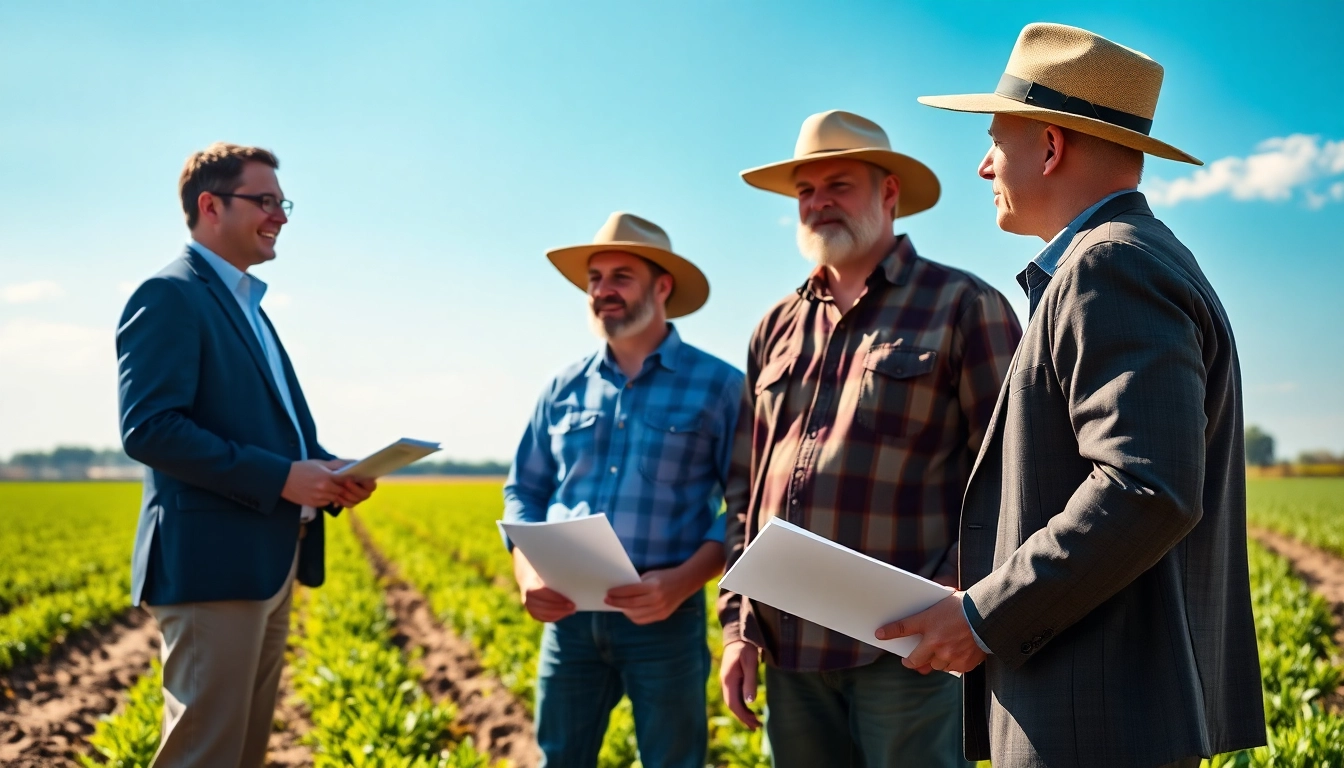
Understanding the Role of an Agriculture Lawyer
The world of agriculture is complex, with various legalities that farmers and agribusiness owners must navigate to succeed. An agriculture lawyer plays a crucial role in this landscape, providing specialized legal representation and counsel tailored to the unique needs of the agricultural sector. In this article, we will delve into the key responsibilities of agriculture lawyers, the common legal issues they address, and what you should look for when seeking legal assistance.
What an Agriculture Lawyer Does
An agriculture lawyer specializes in legal issues related to farming, agribusiness, and food production. Their work encompasses a wide array of tasks including litigation, contract negotiations, land use regulation, and compliance with various agricultural laws. Agriculture lawyers advocate for their clients in disputes, draft and review contracts for lease agreements or sales, and advise clients on regulatory compliance on both federal and state levels.
Specializations within Agricultural Law
Agricultural law is a broad field, and numerous specializations exist within it. Some agriculture lawyers might focus on specific areas such as:
- Environmental Law: Advising clients on compliance with environmental regulations related to farming practices.
- Labor and Employment Law: Addressing issues concerning agricultural laborers, including wage disputes and worker rights.
- Real Estate Law: Handling transactions concerning farmland, including zoning laws, land use, and property rights.
- Food Safety Law: Ensuring compliance with the various regulations governing the safety and sale of food products.
- Bankruptcy and Insolvency Law: Assisting struggling agribusinesses with financial restructuring options.
Why You Need an Agriculture Lawyer
The complexities involved in agricultural law make the representation of an agriculture lawyer essential for farmers and agribusiness owners. Legal missteps can lead to significant financial losses, regulatory penalties, and disrupted business operations. An experienced lawyer helps mitigate risks and ensures compliance to avoid legal challenges that could impact productivity and profitability. They offer guidance that is tailored to the specific business landscape, ensuring that farmers can focus on their core operations without being bogged down by legal uncertainties.
Common Legal Issues Faced by Farmers
Land Use and Zoning Regulations
Land use and zoning regulations are fundamental issues that farmers frequently encounter. Every state has specific laws determining how land can be used, including agricultural zoning laws that dictate how land designated for agriculture can be developed or altered. Farmers often need representation in disputes over land use or in negotiations with local governments regarding zoning issues. An agriculture lawyer plays a critical role in guiding farmers through these regulations to protect their land rights and optimize land use for agricultural purposes.
Crop Rights and Agreements
The realm of crop rights is another intricate area of agricultural law. Issues can arise from crop-sharing agreements, leasing terms, and cooperative farming arrangements. Farmers must ensure that these contracts are favorable and legally sound to protect their investments. An agriculture lawyer can help draft, negotiate, and review these agreements, ensuring that all terms are clear and that their clients’ rights are preserved should disputes arise.
Environmental Compliance and Litigation
With increasing awareness of environmental issues, farmers must navigate complex environmental regulations concerning pesticide use, water resources, and waste management. Non-compliance can lead to lawsuits or fines. Agriculture lawyers assist clients in understanding and adhering to these regulations, minimizing the risks associated with environmental litigation. They can also offer representation in court should enforcement actions occur, advocating for policies that accommodate agricultural practices while protecting the environment.
Qualities to Look for in an Agriculture Lawyer
Experience in Agricultural Law
When selecting an agriculture lawyer, it is paramount to consider their experience within the agricultural sector. A lawyer with a robust background in agricultural law will be familiar with the challenges and opportunities unique to this field. They should possess relevant cases and client outcomes that demonstrate their capability to handle agricultural legal matters effectively.
Understanding of Local Agricultural Markets
Agriculture varies greatly across regions, influenced by local economies, types of crops produced, and differing regulatory environments. An effective agriculture lawyer should possess in-depth knowledge of local agricultural markets and regulations to provide the best counsel for their clients. This understanding enables them to devise legal strategies that align with the specific challenges and opportunities present in a farmer’s locality.
Communication and Accessibility
Legal matters can become convoluted; therefore, it is essential for an agriculture lawyer to communicate clearly and in a timely manner. They should be accessible to their clients, offering insights and updates throughout the legal process. This level of availability fosters trust and ensures that clients can ask questions and receive guidance whenever needed, aiding in more informed decision-making.
How to Choose the Right Agriculture Lawyer
Researching Potential Candidates
The selection of an agriculture lawyer should begin with thorough research. Prospective clients can leverage online resources, legal directories, and peer recommendations to compile a list of potential candidates. Attention should be paid to their areas of specialization, years of experience, and client testimonials which can provide insight into their effectiveness and reliability.
Interviewing Prospective Lawyers
Once potential candidates are selected, interviewing them is the next step. Prepare a list of questions that address their experience handling cases similar to yours, their approach to resolving legal issues, and how they foresee your case progressing. Additionally, inquire about their fee structure, availability for communication, and any related legal networks that might benefit your case. These discussions can help build rapport and illuminate which lawyer aligns best with your objectives.
Evaluating Fees and Contract Terms
Understanding the fee structure and contract terms before committing to an agriculture lawyer is crucial. Some lawyers bill hourly, while others may offer flat rates for specific services. It’s important to clarify what each fee covers and whether there may be additional expenses. A transparent fee structure paired with a clear contract can help clients budget and prepare for the financial aspects of their legal representation, minimizing unpleasant surprises.
Case Studies and Success Stories
Successful Land Use Disputes
Numerous farmers have faced challenges with zoning and land use disputes over the years. For instance, one agricultural lawyer represented a farmer who was fighting against a local proposal that would negatively impact his land usage rights. Through comprehensive research and strategic advocacy, the lawyer successfully negotiated revisions to the proposal that preserved the farmer’s interests. This case exemplifies the importance of specialized legal representation in navigating complex land use issues.
Positive Outcomes in Environmental Compliance Cases
Environmental compliance is often a primary concern for farmers. In one notable case, a lawyer represented an agribusiness accused of pesticide misuse. Leveraging their expertise in environmental law, the lawyer was able to demonstrate compliance with state regulations, leading to a favorable outcome for the client. This success not only preserved the client’s operational rights but also reinforced the agricultural community’s commitment to sustainable practices.
Revolutionizing Farm Contracts Through Legal Expertise
Contracts are foundational to agricultural operations, and positive changes to contractual obligations can reap significant benefits. An agriculture lawyer helped a cooperative develop innovative contracts that improved shareholder terms and increased profit-sharing. The lawyer’s fluency in agricultural law enabled the cooperative to streamline negotiations and generate enhanced economic outcomes for its members, illustrating how exemplary legal counsel can transform business operations.