Understanding the Auto Dialer
What is an Auto Dialer?
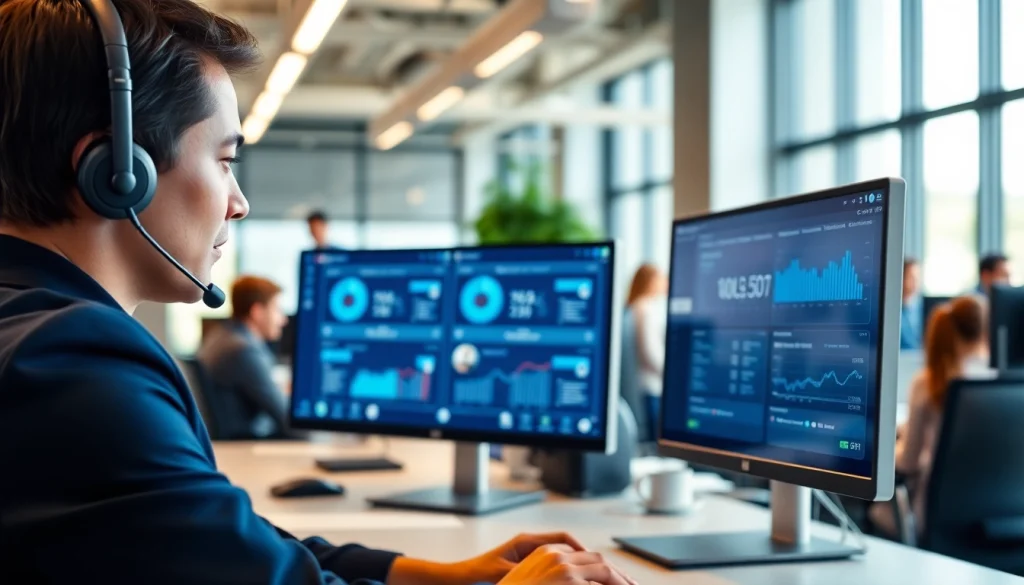
An auto dialer is a sophisticated telephony system designed to simplify and enhance the process of making outbound calls. By automatically dialing a list of phone numbers, it connects answered calls to live agents, empowering them to focus on conversation rather than manually inputting numbers. This technology is widely utilized in various sectors, particularly in sales, telemarketing, customer support, and collections, to optimize communication efficiency and improve overall productivity.
Types of Auto Dialers
Auto dialers can be categorized into several types, each designed to serve different business needs:
- Predictive Dialers: These systems adjust the calling rate based on agent availability, ensuring that calls are only made when agents are free. This method maximizes talk time and leads to higher connection rates.
- Progressive Dialers: Similar to predictive dialers but generally dial numbers at a slower pace. Calls are made as soon as an agent is available, minimizing the chances of dropped calls.
- Preview Dialers: Allow agents to view customer information before a call is initiated, enabling them to tailor their conversation to the prospect’s needs.
- Voice Broadcasts: These dialers are used to send pre-recorded messages to a large group of numbers at once. They are particularly effective for announcements or reminders.
Key Features of an Auto Dialer
The effectiveness of an auto dialer largely depends on its features. Key functionalities include:
- CRM Integration: Capability to seamlessly integrate with customer relationship management systems to ensure easy access to customer data during calls.
- Call Recording: Allows businesses to record calls for training purposes and quality assurance.
- Lead Management: Facilitates the organization and prioritization of leads based on specific criteria.
- Compliance Features: Ensures adherence to legal regulations such as the Telephone Consumer Protection Act (TCPA) and other relevant laws.
- Analytics and Reporting: Provides valuable insights into call performance metrics, helping companies optimize their strategies.
Benefits of Using an Auto Dialer
Increased Efficiency and Productivity
One of the primary advantages of implementing an auto dialer is the significant boost in productivity it offers. By eliminating the time agents spend dialing numbers manually, they can spend more time engaging with customers. This results in a higher number of calls being made, ultimately leading to greater sales opportunities.
Better Call Management
With an auto dialer, businesses can efficiently manage their calls. The system offers features like call scheduling, tracking, and routing, ensuring that calls reach the right agents at the right time. This level of organization reduces missed calls and enhances the overall customer experience.
Cost-Effective Communication
Investing in an auto dialer can lead to substantial cost savings. It is often more affordable than traditional telephony methods, especially for businesses that rely heavily on outbound sales calls. Furthermore, the increased sales conversions and improved efficiency justify the investment.
Challenges When Implementing an Auto Dialer
Compliance with Calling Regulations
One of the significant challenges in using an auto dialer is ensuring compliance with various telemarketing laws and regulations, such as the TCPA in the United States. Companies must take proactive steps to understand and adhere to these regulations to avoid costly fines and legal issues.
Integration with Existing Systems
Integrating an auto dialer with existing business systems, such as CRM or ERP, can sometimes pose challenges. It is crucial for organizations to ensure seamless compatibility to maximize efficiency and data flow.
User Training and Support
Another challenge lies in adequately training staff to use the auto dialer effectively. Comprehensive training programs are necessary to ensure users are comfortable with the system and can fully utilize its capabilities. Ongoing support is also essential to address any issues as they arise.
Best Practices for Utilizing an Auto Dialer
Setting Realistic Goals
When implementing an auto dialer, it’s essential to set clear and realistic goals. Establishing performance benchmarks helps in monitoring success and making necessary adjustments to the dialing strategy. For instance, a target could be set for the number of calls made daily or the average talk time per agent.
Monitoring Performance Metrics
Regularly monitoring key performance indicators (KPIs) is vital for evaluating the effectiveness of the auto dialer. Metrics such as connection rates, average call duration, and conversion rates provide actionable insights. Analyzing these metrics can help businesses understand what’s working and what needs improvement.
Continuous Optimization of Call Strategies
Utilizing data and feedback from agents, businesses using an auto dialer should continuously refine their calling strategies. This can involve experimenting with different scripts, adjusting call timings, or focusing on specific target demographics to maximize outreach efficacy.
Future Trends in Auto Dialer Technology
AI and Machine Learning Integration
The future of auto dialers is poised to be heavily influenced by advancements in artificial intelligence (AI) and machine learning. These technologies can enhance predictive dialing capabilities by analyzing previous call outcomes and optimizing future calling strategies. AI can also improve customer interaction, enabling more intelligent engagement strategies.
Increased Personalization in Outreach
Personalization is becoming increasingly vital in sales and marketing efforts. Future auto dialer systems are likely to feature enhanced capabilities for personalizing calls based on customer history and preferences. This will lead to more meaningful conversations and higher conversion rates.
Improving User Experience through Advanced Features
Future auto dialers will likely incorporate more sophisticated features to enhance user experience, such as advanced analytics dashboards and better integration with mobile platforms. They will also increasingly rely on user feedback to implement new functionalities tailored to user needs, further optimizing the dialing process.