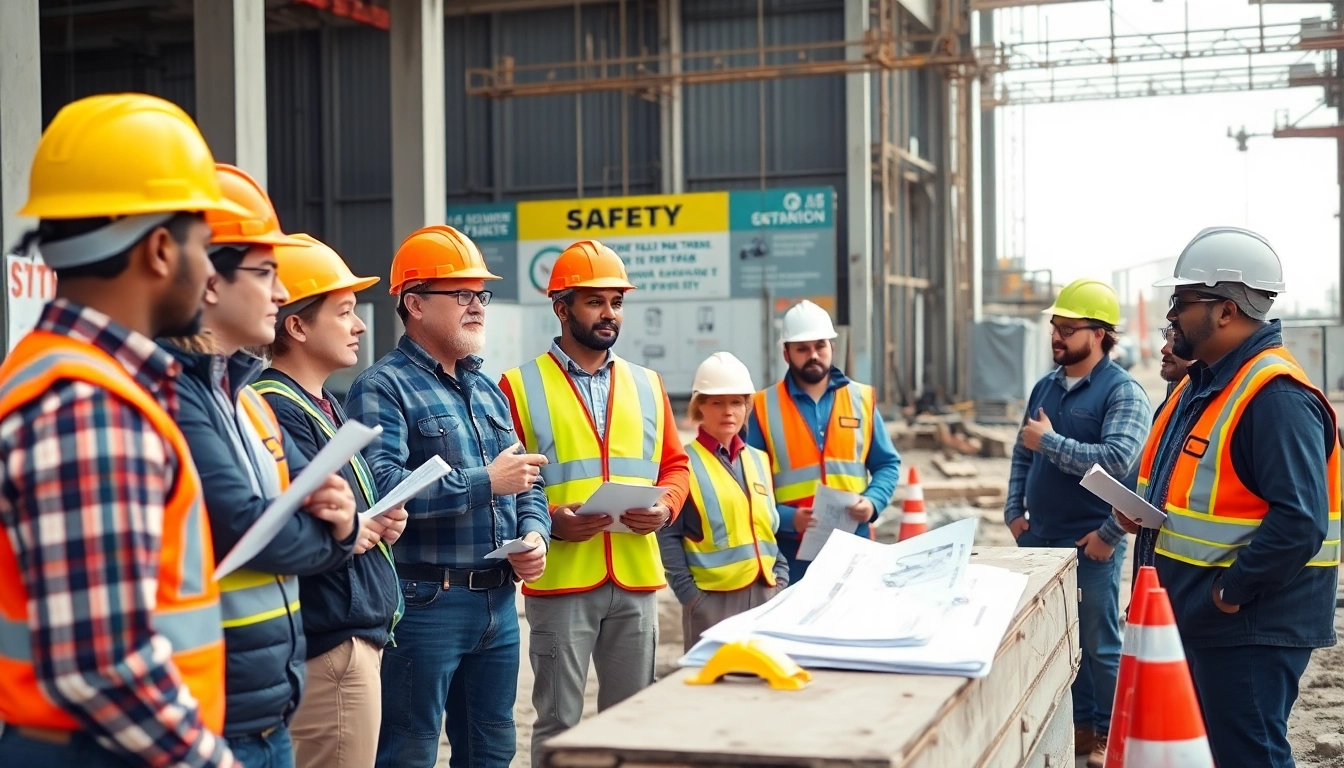
Understanding the Importance of Construction Safety Training
Construction sites can be highly hazardous environments where the risk of accidents is significantly elevated. The physical risks inherent in construction work – from falling objects to heavy machinery – necessitate robust safety measures and a strong emphasis on training. Effective construction safety training plays a critical role in ensuring the health and safety of workers, reducing the likelihood of accidents, and fostering a culture of safety within organizations.
Statistical Insights on Construction Site Accidents
Statistics consistently show that construction sites have some of the highest injury and fatality rates across various industries. According to research findings, approximately one in ten construction workers will experience an injury each year. Moreover, the Occupational Safety and Health Administration (OSHA) highlights that construction falls are the leading cause of fatalities in the sector. These alarming statistics underline the pressing need for effective safety training programs to mitigate risks and protect the workforce.
Legal Requirements for Safety Training
Legal compliance is a fundamental aspect of construction safety training. Various federal, state, and local regulations mandate specific training protocols to protect workers. For instance, OSHA requires that employers provide safety training relevant to the hazards employees may encounter, ensuring that workers are equipped with the knowledge and skills to operate safely. Failure to comply with these regulations not only jeopardizes employee safety but can also result in severe financial penalties and damage to an organization’s reputation.
Benefits of Prioritizing Safety Training
Investing in comprehensive safety training offers numerous benefits. Firstly, it leads to a significant reduction in workplace injuries and fatalities, thereby safeguarding workers' lives. Secondly, organizations that prioritize safety experience lower insurance premiums and fewer legal liabilities. Additionally, a strong safety culture enhances worker morale and productivity, fostering loyalty among employees who feel valued and protected. Ultimately, the integration of safety training into the company culture contributes to long-term business success.
Key Components of Construction Safety Training Programs
Core Safety Protocols and Procedures
A successful safety training program must encompass core safety protocols and procedures. These include hazard identification, risk assessment, and implementation of control measures. Training should cover the proper use of machinery, tools, and equipment while emphasizing the importance of following safety signage and protocols. Workers should be empowered to actively participate in safety assessments, encouraging them to report hazards and suggest improvements.
Effective Training Methods and Techniques
Training methods should be diverse and engaging to cater to various learning styles. Traditional lecture-based training can be supplemented with hands-on demonstrations, simulations, and interactive workshops. Utilizing e-learning modules can also provide flexibility for workers to complete training at their own pace. Incorporating real-world scenarios into training enhances retention and ensures that workers can apply what they learn in practical situations.
Personal Protective Equipment (PPE) Training
Proper training on personal protective equipment (PPE) is an essential component of safety training in construction. Workers must be educated on the correct selection, usage, and maintenance of PPE, including hard hats, gloves, goggles, and fall protection gear. Regular assessments of PPE effectiveness should be incorporated into training to ensure compliance with current safety standards, enhancing the overall safety of the work environment.
Best Practices for Implementing Construction Safety Training
Creating a Culture of Safety on Site
Creating a culture of safety on construction sites is paramount. Leadership commitment is crucial; management must demonstrate a genuine dedication to safety by supporting training initiatives and prioritizing employee well-being. Encouragement of open communication about safety issues fosters an environment where workers feel comfortable discussing risks without fear of retribution. Safety meetings and toolbox talks can reinforce this culture, allowing continuous dialogue about ongoing safety concerns and solutions.
Engaging Workers Through Hands-On Training
Engaging workers through hands-on training enhances both skill acquisition and retention. Practical exercises enable workers to experience the real-world application of safety protocols, making the training experience more relevant and effective. Creating realistic scenarios encourages problem-solving and critical thinking, preparing workers to manage potential hazards they might encounter on the job.
Evaluating the Effectiveness of Training Programs
Regular assessment of training programs is essential to measure their effectiveness and identify areas for improvement. Surveys and feedback sessions provide valuable insights from participants, helping to adjust the training approach where necessary. Additionally, monitoring incident reports and tracking injury rates post-training can illustrate the program's impact on workplace safety. Continuous improvement is vital for keeping safety protocols current and effective.
Continual Improvement and Adaptation in Safety Training
Keeping Up with Regulatory Changes
The construction industry is dynamic, with regulations evolving to address emerging safety concerns and advancements in technology. Training programs must be regularly updated to reflect these changes and ensure compliance with the latest standards. This proactive approach not only safeguards workers but also protects organizations from legal ramifications associated with outdated practices.
Incorporating New Technologies in Training
New technologies, such as virtual reality (VR) and augmented reality (AR), hold immense potential for revolutionizing construction safety training. These technologies allow workers to immerse themselves in simulated environments where they can practice safety protocols in a risk-free setting. By incorporating innovative training tools, organizations can enhance engagement and provide more effective learning experiences tailored to modern challenges.
Feedback Mechanisms for Ongoing Refinement
Establishing robust feedback mechanisms is crucial for the continual refinement of safety training programs. Regularly soliciting feedback from employees will provide insights into training gaps and areas needing reinforcement. Implementing changes based on this feedback ensures that training remains relevant and impactful, ultimately leading to safer workplaces.
Case Studies of Successful Construction Safety Training
Real-World Examples of Effective Safety Programs
Examining successful construction safety training programs provides valuable lessons. For instance, one construction firm implemented an immersive training program using VR technology, leading to a 40% reduction in on-site injuries within the first year. The program allowed workers to engage with realistic scenarios, preparing them better for real-world conditions. Such examples illustrate the effectiveness of innovative and engaging training methodologies.
Lessons Learned from Accidents and Near-Misses
Every accident or near-miss on a construction site serves as a potential learning opportunity. Analyzing the root causes of these incidents helps organizations refine their training programs to prevent recurrence. Implementing lessons learned and sharing these outcomes with the entire team fosters a culture of growth and reinforces the importance of safety in daily operations.
Measuring Success: Metrics and Outcomes
To gauge the success of construction safety training, organizations should establish clear metrics to measure outcomes. Key performance indicators (KPIs) such as injury rates, near-miss incidents, safety audit results, and employee feedback can provide insight into the program's effectiveness. A comprehensive analysis of these metrics enables organizations to make data-driven decisions, ensuring ongoing improvement and commitment to worker safety.