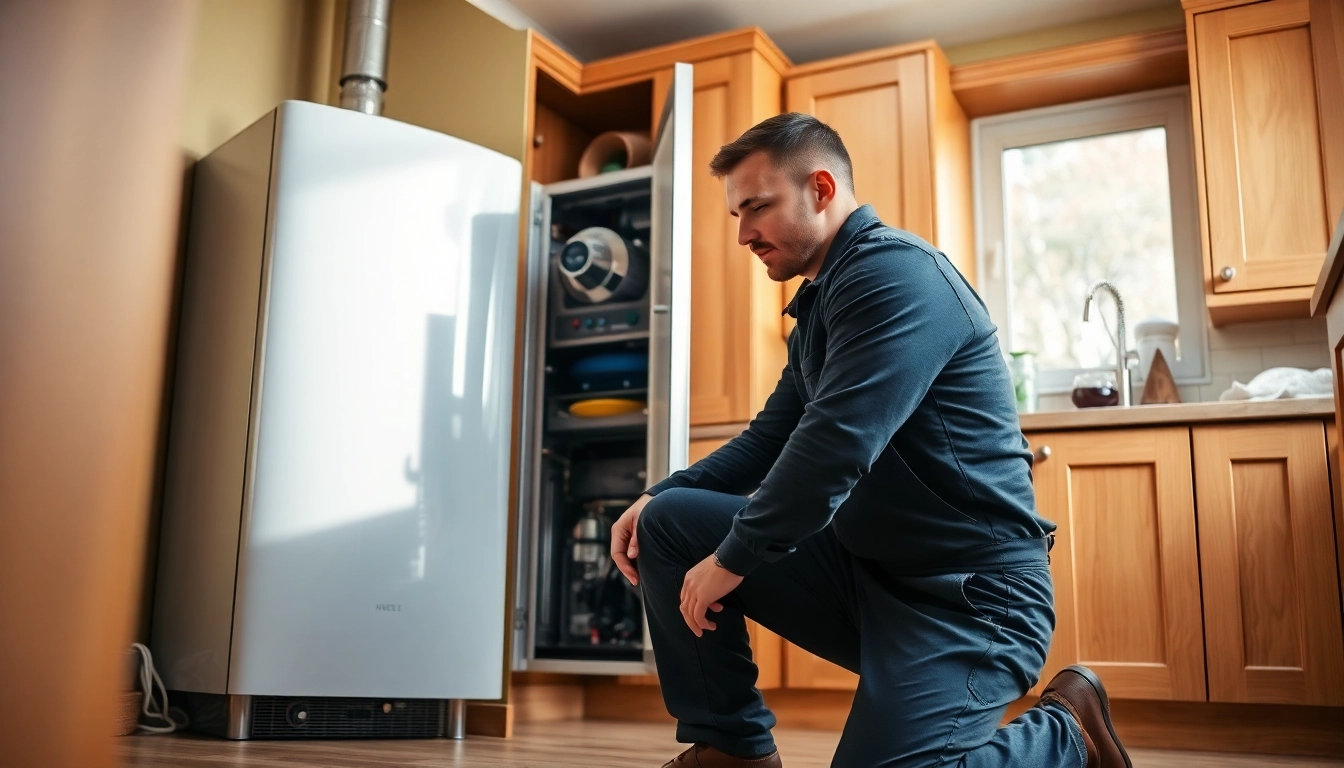
Understanding Water Leak Detection
Water leaks can cause significant damage to homes and businesses. Detecting these leaks early is vital to avoiding costly repairs and ensuring a safe, dry environment. The process of identifying such leaks is known as water leak detection, which encompasses a variety of methods and technologies designed to identify water leaks as soon as they occur.
What is Water Leak Detection?
Water leak detection involves monitoring systems and methods used to identify the presence of leaking water in buildings, structures, or underground facilities. This proactive approach not only helps prevent significant damage but also promotes water conservation by detecting where resources may be wasted.
Importance of Early Detection in Home Maintenance
Early detection of water leaks is crucial for several reasons. First, it can prevent extensive damages such as structural issues, mold growth, and increased utility bills. Research indicates that undetected leaks can waste more than 10,000 gallons of water annually for the average household. By catching leaks early, homeowners can not only save on water costs but also avoid expensive repairs.
Common Causes of Water Leaks
Understanding the common causes of water leaks can aid in prevention and detection. Some of the typical culprits include:
- Old or corroded pipes: Many homes have plumbing systems that can deteriorate over time.
- Improper installations: Poorly installed plumbing fixtures and drainage systems often lead to leaks.
- Seals and O-rings: These components can wear out, resulting in leaks around faucets and showerheads.
- Weather-related issues: Heavy rains, ice, and snow can damage outside plumbing and cause leaks.
Methods of Water Leak Detection
Visual Inspections and Signs of Leaks
One of the simplest methods for detecting water leaks is through visual inspections. Homeowners should regularly check areas prone to leaks, such as under sinks, around water heaters, and near washing machines. Some common signs of leaks include:
- Water stains: Yellowing or discoloration on walls and ceilings often indicates a leak.
- Mildew or mold: A musty smell or visible mold can be a sign of hidden water exposure.
- Increased water bills: A spike in your water usage without a corresponding increase in activity may indicate a hidden leak.
Advanced Technologies in Leak Detection
In addition to visual inspections, there are various advanced technologies employed for water leak detection. These include:
- Acoustic sensors: These devices listen for the sounds of leaking water and can be effective in identifying leaks in hidden plumbing systems.
- Infrared thermography: Thermal cameras can detect temperature differences that indicate the presence of moisture.
- Pressure testing: This method gauges the integrity of water lines by measuring the pressure changes over time to identify leaks.
Use of Smart Devices for Real-Time Monitoring
Smart technology has revolutionized water leak detection. Numerous devices now offer real-time monitoring and alerts for leaks. These devices can connect to home Wi-Fi networks and send immediate notifications to homeowners’ smartphones when a leak is detected. Some innovative examples include:
- Smart leak detectors: Placed in areas at risk for leaks, these devices rapidly detect moisture and alert homeowners.
- Smart water valves: Once a leak is detected, these valves can shut off the water supply automatically to prevent damage.
Tools for Effective Water Leak Detection
Handheld Leak Detection Devices
For those looking to invest in DIY methods, handheld leak detection devices are available. These compact tools can locate leaks in plumbing systems by measuring moisture levels and even detecting high-frequency sounds associated with water leaks. They are suitable for residential and commercial use, offering a cost-effective solution for those wanting to mitigate risks.
Water Leak Sensors and Alarms
Water leak sensors are another essential tool in leak detection. They can be placed in vulnerable areas, such as basements or near appliances. When the sensor detects water, it triggers an alarm, alerting the homeowner to potential leaks. Most modern sensors are equipped with wireless capabilities to integrate into smart home systems.
Infrared Cameras and Their Applications
Infrared cameras are powerful tools for detecting water leaks without invasive measures. By detecting heat signatures, these cameras can identify cooler areas consistent with moisture presence, allowing for precise leak location. They are particularly useful in larger buildings or complex plumbing systems where leaks are difficult to identify through traditional methods.
Step-by-Step Guide to Detecting Water Leaks
How to Perform a DIY Leak Check
Homeowners can perform a simple DIY leak check by following these steps:
- Inspect visible plumbing for signs of water.
- Check water meters before and after a period of no water usage to measure any changes.
- Look for moisture, mold, or water stains on walls, ceilings, and floors.
- Assess all major appliances for leaks, especially those connected to water lines.
Professional Services: When to Call an Expert
While many leaks can be detected using DIY methods, there are times when it is crucial to consult with a professional. If you encounter persistent noises or unusual water bills without visible signs of leaks, it is advisable to call in leak detection specialists. These professionals utilize advanced equipment such as acoustic sensors or infrared cameras to locate hard-to-find leaks with precision.
Understanding Leak Detection Reports
After a professional leak detection service has been conducted, homeowners will receive a detailed report. This report should outline the location of any detected leaks, the severity, and recommended repair actions. Understanding these reports is essential for effective repairs and preventing future leaks. Homeowners should seek clarification on any aspects they do not understand to ensure the necessary actions are taken.
Preventative Measures and Best Practices
Maintenance Tips to Avoid Water Leakage
Preventing water leaks requires regular maintenance and proactive measures, such as:
- Regular plumbing inspections: Schedule routine inspections of plumbing systems to catch potential issues early.
- Insulating pipes: Insulated pipes help prevent freezing and cracking during cold weather, which can lead to leaks.
- Replacing worn-out seals: Regularly check and replace seals or O-rings on faucets and fixtures.
Choosing the Right Water Leak Detection Systems
Selecting the appropriate water leak detection system is crucial for ensuring comprehensive coverage. Factors to consider include:
- Coverage area: Determine which areas of the property are most susceptible to leaks and select systems that cover those areas effectively.
- Integration with existing systems: Choose systems that can integrate with smart home platforms to maximize convenience and efficiency.
Cost-Effective Solutions for Homeowners
For many homeowners, cost is a key consideration in leak detection solutions. Some cost-effective options include:
- DIY methods: Conduct regular home inspections to identify potential problem areas.
- Affordable sensor options: Many leak sensors are available at reasonable prices and can be easily installed.
In conclusion, the significance of water leak detection cannot be overstated. With the right tools, techniques, and preventative measures, homeowners can protect their properties from the potentially devastating effects of water leaks. By leveraging both traditional methods and modern technology, you can stay one step ahead and ensure your home remains safe, dry, and efficient.