Understanding Videography: The Basics
Defining the Role of a Videographer
Videographers are essential players in the realm of audiovisual content creation, responsible for capturing moving images and sound to tell stories and convey information. The role goes beyond just operating a camera; it encompasses everything from conceptualizing ideas and scripting to directing and editing the final product. As visual storytellers, videographers have the unique ability to combine technical skills with artistic vision, laying the groundwork for engaging content that resonates with audiences across diverse platforms.
Types of Videography Services Offered
The spectrum of videography services is as vast as it is diverse, catering to a multitude of industries and occasions. Common types include but are not limited to:
- Corporate Videography: This includes promotional videos, training materials, and corporate events, focusing on branding and storytelling for businesses.
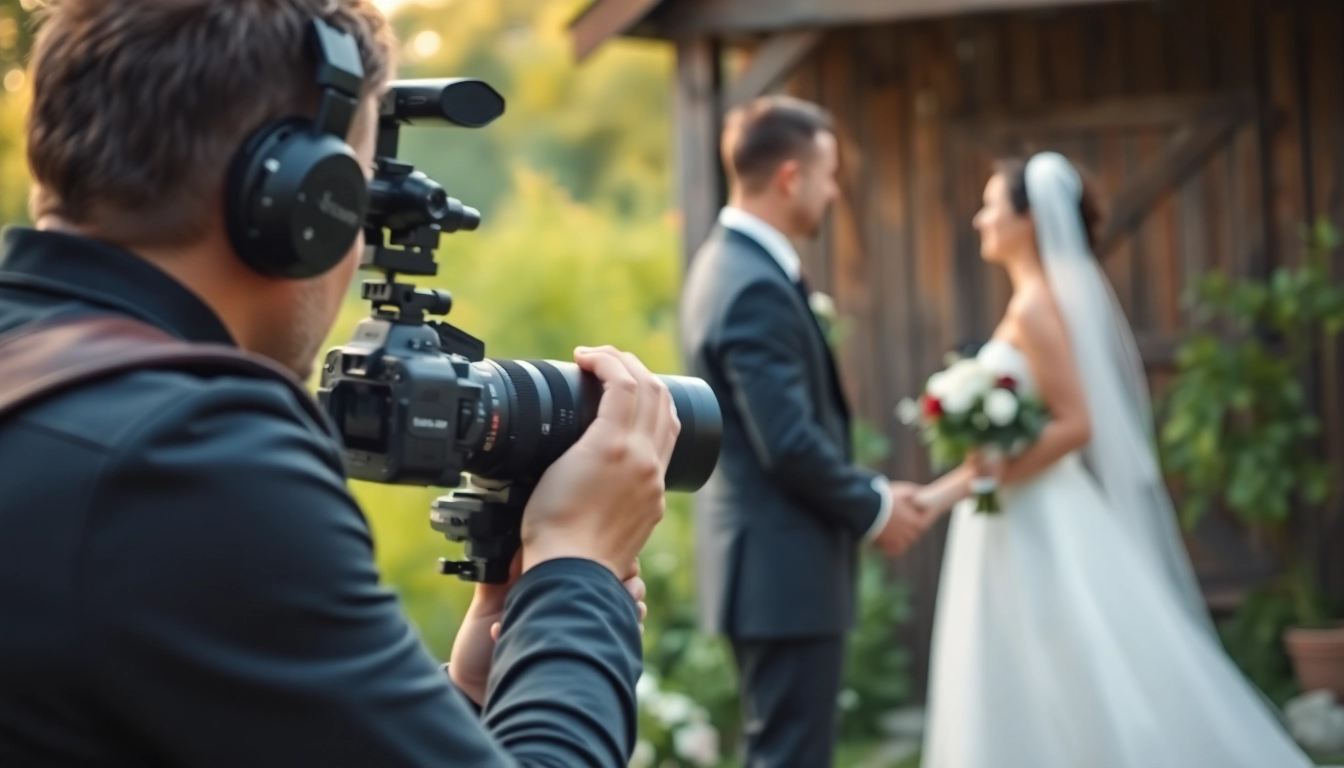
- Wedding Videography: Specializing in capturing the significant moments of weddings, these videographers create keepsakes that couples cherish for a lifetime.
- Event Videography: This encompasses everything from concerts to festivals, where the aim is to document the atmosphere and highlight key moments.
- Documentary Videography: Aimed at informing or educating audiences, this form involves thorough research and storytelling techniques to convey important narratives.
- Real Estate Videography: This service showcases properties through visually appealing videos, welcoming potential buyers with immersive experiences.
Essential Equipment for Videographers
To execute high-quality videography, a range of specialized equipment is necessary. Fundamental gear includes:
- Cameras: DSLRs, mirrorless, and cinema cameras are popular choices, each offering unique features for different shooting conditions.
- Tripods and Stabilizers: For capturing steady shots, stabilizers like gimbals are crucial, while tripods are essential for static shots and interviews.
- Lighting Equipment: Understanding lighting is key; videographers often employ softboxes, LEDs, and reflectors to illuminate scenes effectively.
- Microphones: High-quality audio is crucial; lavalier, shotgun, and handheld microphones can enhance sound quality in various environments.
- Editing Software: Post-production tools such as Adobe Premiere Pro, Final Cut Pro, or DaVinci Resolve are essential for crafting professional final products.
Developing Key Skills as a Videographer
Technical Skills Every Videographer Should Master
The technical landscape of videography is ever-evolving, making it important for videographers to continuously hone their skills. Key areas of technical expertise include:
- Camera Operation: Understanding camera settings such as aperture, shutter speed, and ISO is vital for achieving the desired look.
- Audio Capture: Good audio is just as important as visuals; mastering audio equipment and techniques ensures polished final products.
- Lighting Techniques: Being adept with various lighting setups can dramatically affect mood and clarity in video projects.
- Color Grading: Post-production color correction and grading techniques allow videographers to establish specific tonal qualities and enhance storytelling.
The Importance of Storytelling in Videography
At its core, videography is about storytelling. A successful videographer must understand narrative structures and how to convey a message through visuals. This involves:
- Identifying Core Messages: Every video should communicate a central message or theme that resonates with the audience.
- Building Emotional Engagement: Through techniques like music selection and pacing, a videographer can create emotional connections with viewers.
- Structuring Content Effectively: A logical flow from an introduction, through development, to a conclusion keeps audiences engaged and conveys clear messaging.
Editing Techniques to Enhance Videography Projects
Editings plays a crucial role in videography, as this is where the raw footage comes together to create a coherent story. Competent editing can elevate a project in several ways:
- Cutting for Impact: Knowing when to cut or transition can greatly improve pace and maintain viewer interest.
- Incorporating Effects: Utilizing effects sparingly can add a professional touch, enhancing overall storytelling without overwhelming the audience.
- Syncing Audio and Visual: Ensuring audio syncs effectively with visual cues is essential for a polished outcome, particularly in dialogue-heavy projects.
Getting Started in Videography
How to Build a Competitive Videography Portfolio
A solid portfolio is paramount for aspiring videographers. It showcases skills, creativity, and versatility. Here are steps to create an impressive portfolio:
- Include a Variety of Work: Showcasing different types of videography services can appeal to a wider audience.
- Highlight Personal Projects: When starting, personal projects can demonstrate your passion and unique vision.
- Seek Feedback: Constructive criticism from peers or mentors can provide valuable insights into improving your work.
- Keep it Updated: Regularly update your portfolio with your latest and best work to reflect your growing skill set.
Finding Your Niche as a Videographer
As the video landscape is expansive, finding a niche can set a videographer apart in a competitive market. Consider the following to identify your niche:
- Assess Your Interests: What types of projects excite you? Focus on areas you are passionate about.
- Research Market Demands: Identify areas where there is demand; this could lead to lucrative opportunities.
- Experiment: Trying out different styles and genres can help discover where your talents most align.
Ways to Market Yourself as a Videographer
Effective marketing is crucial for sustainability in any creative field. Here are strategies to promote your videography services:
- Social Media Presence: Platforms like Instagram and YouTube are powerful tools for sharing your work and building an audience.
- Networking: Attend industry events and seminars, offering opportunities to meet potential clients and collaborators.
- Building a Website: Having a professional website acts as a portfolio and a central hub for clients to learn more about your work.
- Utilizing SEO: Implementing basic search engine optimization best practices can improve visibility, such as integrating the keyword Videographer strategically throughout your online content.
Best Practices for Professional Videography
Tips for Shooting High-Quality Videos
To achieve exceptional video quality, consider the following tips:
- Plan Your Shots: Storyboarding or shot-listing helps ensure that no essential footage is overlooked.
- Utilize Different Angles: Experimenting with angles can create dynamic scenes and keep viewers engaged.
- Be Mindful of the Environment: Understanding your surroundings allows you to capitalize on natural beauty or mitigate challenging conditions.
Understanding Lighting and Sound for Videographers
Lighting and sound play significant roles in video production quality. Keep the following in mind:
- Natural Light vs. Artificial Light: Learning how to manipulate both can enhance visual appeal while reducing reliance on artificial sources.
- Noise Control: Be proactive about controlling background noise; consider the environment and use quality microphones.
- Sound Design: Incorporating appropriate sound effects and music can greatly elevate the emotional impact of your visuals.
Client Communication Strategies for Videographers
Effective communication with clients is crucial for a videographer’s success. Key strategies include:
- Setting Clear Expectations: Discuss timelines, deliverables, and project specifics upfront to avoid misunderstandings.
- Regular Updates: Providing clients with updates through the process fosters trust and transparency.
- Seeking Feedback: Actively soliciting client input helps ensure the final product meets their vision and expectations.
Trends and Innovations in Videography
Emerging Technologies Affecting Videography
Staying informed about technology trends is vital in any profession, including videography. Some key innovations include:
- 4K and 8K Video: Higher resolution formats are becoming standard, offering superior clarity.
- Drone Videography: Drones grant videographers unprecedented aerial capabilities to capture stunning footage.
- Virtual Reality (VR): VR technology is changing how stories are told by immersing viewers in new environments.
Adapting to Changes in Audience Preferences
As media consumption habits evolve, so must videographers. Some strategies for keeping pace include:
- Short-Form Content: Social media platforms favor brevity; adapting to shorter attention spans can yield higher engagement.
- Interactive Videos: Incorporating interaction fosters viewer participation and interest.
- Focus on Authenticity: Audiences increasingly appreciate authenticity; candid content can resonate more than overly polished productions.
The Future of Videography in a Digital Age
The digital age presents both challenges and opportunities for videographers. Trends indicate an increasing demand for video content across platforms, signifying a bright future for the industry. Videographers must continue to innovate, diversify their skill sets, and adapt to the changing landscape to thrive in this competitive field. As tools and techniques evolve, the essence of storytelling remains unchanged, ensuring that skilled videographers will always have a place in this dynamic environment.