Understanding Fly Fishing Combos
What is a Fly Fishing Combo?
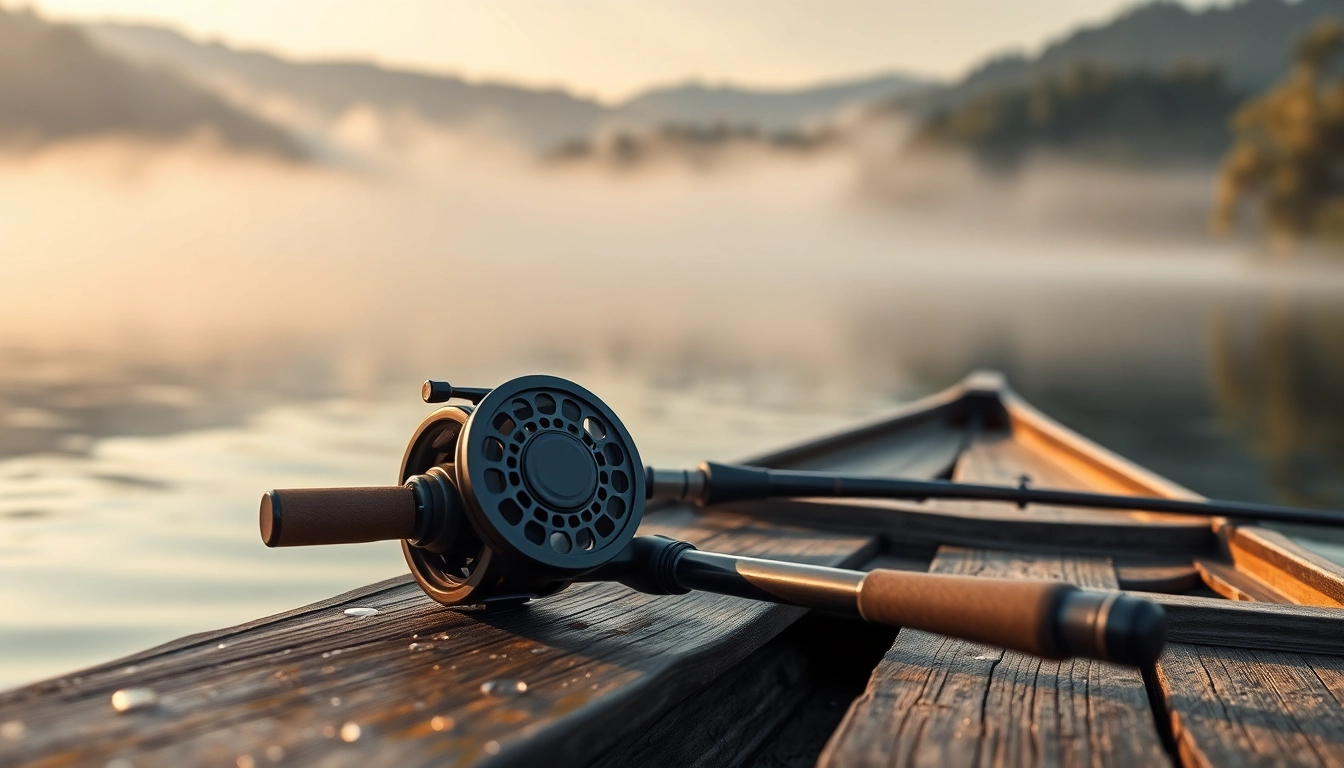
A fly fishing combo is a pre-packaged kit that includes essential equipment for fly fishing. Typically, it consists of a fly rod, reel, and line, designed to work seamlessly together. These combos are particularly appealing to beginners because they eliminate the guesswork involved in choosing individual pieces of tackle. While more experienced anglers may prefer to buy their gear separately, a quality fly fishing combo can offer an easy and effective way to start fishing right away.
Key Components of a Fly Fishing Combo
Understanding the key components of a fly fishing combo is crucial for successful fishing. The essential parts typically include:
- Fly Rod: The backbone of the setup, fly rods vary in length, weight, and construction. They are crucial for casting techniques.
- Fly Reel: This device stores the fly line and provides the necessary drag to prevent fish from escaping.
- Fly Line: Available in various types, this line is specially designed for fly fishing and is heavier than regular fishing line to facilitate casting.
- Backing: This line is attached to the reel, providing additional length for when a fish runs far and takes out more line.
- Leaders and Tippets: These are the final segments of the line connected to the fly. Leaders taper down to provide stealth and flexibility.
Benefits of Using a Combo
Using a fly fishing combo has several advantages, especially for beginners:
- Cohesive Design: All components are crafted to work together, enhancing casting accuracy.
- Cost-Effective: Purchasing a combo is usually cheaper than buying each component separately.
- User-Friendly: Combos are designed for novices, making it easier to learn the sport without overwhelming choices.
- Quality Assurance: Reputable brands ensure that the included components meet a certain quality standard.
Identifying Your Fishing Needs
Determining Your Skill Level
Your skill level plays a significant role in selecting the appropriate fly fishing combo. Beginners should look for models that are more forgiving and easier to cast. More advanced anglers might seek specific features that match their precise techniques, such as a faster action rod for quicker casts or a smaller reel for compact fish.
Understanding Different Fishing Environments
The environment in which you plan to fish can dictate the type of combo you should choose. Freshwater anglers might focus on lighter rods for small streams or heavier setups for larger lakes. In contrast, saltwater fishers need more robust equipment that can stand up to harsher conditions and bigger saltwater species. It's important to map out your fishing destination to choose the best gear for your environment.
Selecting the Right Fish Species
Every species of fish has its preferences for bait, habitat, and tackle. For instance, targeting trout may require lighter lines and more delicate presentation, whereas large predators like pike need a heavier setup. Knowing the species you intend to target will help narrow down the options available in a fly fishing combo.
How to Choose the Best Fly Fishing Combo
Evaluating Rod Length and Weight
Rod length and weight are critically important when selecting a fly fishing combo. Generally, a standard rod length for beginners ranges from 8 to 9 feet, providing versatility for various fishing conditions. The weight of the rod (measured in grams) should correspond to the size of the fish and the weight of the flies you'll be using. Lighter rods (3-5 weight) are ideal for delicate flies and smaller fish, while heavier rods (8-10 weight) are suited for larger fish and windy conditions.
Choosing the Right Reel
The reel is not just a storage device; it's essential for fighting fish. When selecting a reel, you should consider the drag system, weight, and material. A smooth drag ensures that line is released evenly when a fish pulls, reducing the chances of breakage. Choose a reel that balances well with your rod, especially when casting for extended periods.
Line Selection and Functionality
The fly line is perhaps the most specialized component of the combo. Fly lines come in various types suited for distinct fishing conditions—floating, sinking, or intermediate. A floating line is suitable for surface fishing, while sinking lines are perfect for deeper waters. Understanding the type of fishing you'll be doing will help you pick the right line type that complements your combo effectively.
Care and Maintenance of Your Fly Fishing Combo
Regular Cleaning Procedures
Proper maintenance extends the life of your fly fishing combo. After each trip, rinse all components with fresh water to remove salt, dirt, and debris. Pay particular attention to your reel; regularly check for any signs of wear and tear, especially around the drag system. A gentle cleaning with a soft cloth and regular lubrication can go a long way in preserving performance.
Storing Your Equipment Properly
Safe storage minimizes damage to your equipment. Store your fly rod disassembled to prevent warping, and keep your reel in a protective case. Use a controlled environment to avoid excessive heat or moisture that could damage the material. A dedicated tackle box can help keep your flies and additional gear organized and safe.
Common Repairs and Upkeep
While prevention is better than cure, knowing how to repair your gear is essential. Common issues may include line tangles, reel malfunctions, or rod tips breaking. Each of these can often be fixed with simple tools or replacements. Invest in a repair kit that includes line connectors, rod repair glue, and a multitool to make on-the-go fixes easier.
Enhancing Your Fly Fishing Experience
Tips for Beginners to Expert
Your fly fishing experience can always be enhanced, regardless of skill level. For beginners, participating in local workshops or guided experiences can accelerate learning. For experienced anglers, focusing on advanced casting techniques or understanding ecological patterns can improve your catch rates. Remember, continual learning and adaptability are key elements in becoming a proficient angler.
Recommended Accessories for Fly Fishing Combos
Enhance your accessories to complement your fly fishing setup. Essential items might include:
- Fly Box: To keep your flies organized and protected.
- Net: A landing net can significantly improve your catch-and-release efforts.
- Polarized Sunglasses: These protect your eyes while reducing glare on the water, allowing for better fish visibility.
- Waders: Keep dry and comfortable while accessing deeper waters.
- Appropriate Clothing: Layering clothing suited for the weather will make your outing more enjoyable.
Joining Local Fly Fishing Communities
Connecting with local fly fishing communities can enhance your knowledge and enjoyment of the sport. Online platforms, social media groups, and local fishing clubs often share invaluable tips, location recommendations, and fishing reports. Something as simple as discussing techniques with fellow anglers can exponentially increase your expertise and enjoyment of fly fishing.