Understanding Fly Fishing Fundamentals
What is Fly Fishing?
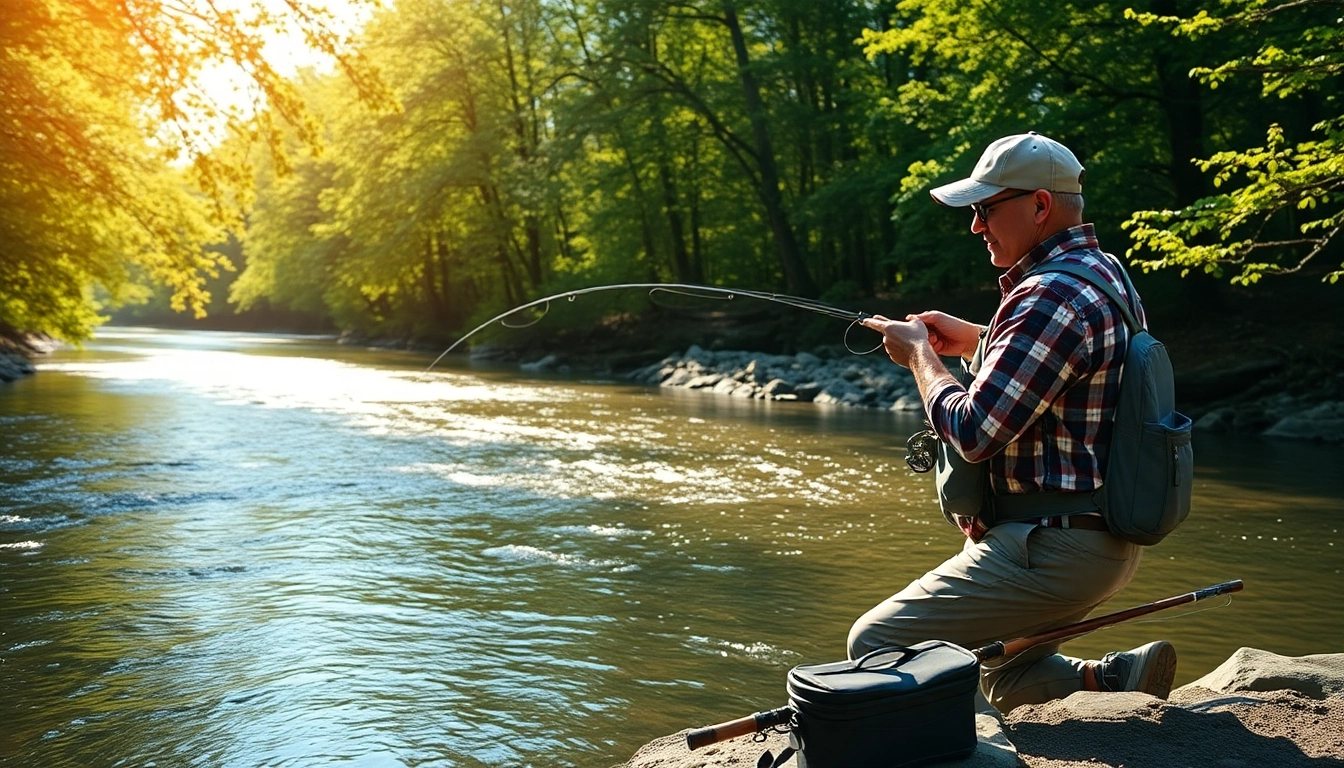
Fly fishing is a distinctive method of angling that involves using artificial flies to catch fish. Unlike traditional fishing, which often relies on bait that mimics actual food sources, fly fishing employs intricately crafted lures designed to resemble insects or other small creatures that fish might consume. This method not only requires angler skill but also an in-depth understanding of aquatic ecosystems and fish behavior. The practice originated in Europe but has since evolved and diversified, gaining popularity across the globe, especially in regions with abundant freshwater bodies. By mastering this craft, anglers are able to engage with nature in a way that is both serene and exhilarating.
Essential Equipment for Beginners
For those new to fly fishing, having the right equipment is crucial for success and enjoyment. The following items form the foundation of a fly fisher's gear:
- Rod: A fly rod typically ranges from 7 to 10 feet in length and is designed specifically for casting lightweight flies.
- Reel: The fly reel holds the backing and line. Opt for a reel that matches your rod’s weight for balanced performance.
- Line: The fly line is thicker than traditional fishing line and comes in various types, including floating, sinking, and intermediate lines.
- Leader and Tippet: The leader is a fine line connecting the fly line to the fly. The tippet is an even thinner section of line that is tied to the end of the leader to make it less visible to fish.
- Flies: These come in countless designs, but beginners should start with a selection of nymphs, dries, and streamers that are effective in local waters.
- Waders and Boots: Staying dry is essential, especially when fishing in colder waters. Waders come in different styles, but breathable models tend to be more comfortable.
Key Techniques to Master
Successful fly fishing is dependent on mastering several essential techniques:
- Casting: Learning how to accurately cast the line and present the fly to the fish is fundamental. Practicing both overhead and roll casts can substantially improve your effectiveness.
- Drift: Understanding how to achieve a natural drift is critical. This involves allowing your fly to float downstream in a manner that mimics natural insect behavior.
- Setting the Hook: Timing is everything when it comes to setting the hook. Anglers must learn how to recognize a take and effectively respond without spooking the fish.
- Reading Water: Learning to recognize fish-holding spots in various water types (slow pools, riffles, and runs) will greatly improve catch rates.
How to Find Fly Fishing Lessons Near Me
Searching Online for Local Classes
Finding quality fly fishing lessons has become increasingly accessible thanks to the internet. By searching for Fly fishing lessons near me, you can discover numerous local offerings tailored to various experience levels. Social media platforms and fishing blogs also often share information about upcoming courses and workshops, providing insights into instructors’ styles and local fishing conditions.
Evaluating Instructor Credentials
Before committing to a class, it’s essential to evaluate the instructor's credentials. Look for instructors with recognized certifications or extensive experience in guiding and teaching fishers of all skill levels. Instructors who actively participate in conservation efforts and community engagement can often provide a broader perspective on the sport. Consider reaching out to past students for feedback about their learning experiences, which can offer valuable insights into the quality of instruction.
Reading Reviews and Testimonials
Online reviews can be a goldmine of information when looking for fly fishing lessons. Sites like Yelp, Google, and social media platforms host reviews that shed light on other students' experiences, giving you a glimpse into what to expect. Be mindful of both positive and negative feedback to form a balanced view, and look for patterns in comments regarding teaching style, materials used, and the overall atmosphere of the lessons. This can aid you in selecting an instructor who aligns with your learning preferences.
The Benefits of Taking Fly Fishing Lessons
Improved Techniques for Better Fishing
Taking fly fishing lessons can significantly enhance your angling skills. Professional instructors provide personalized feedback, ensuring that beginners learn the proper techniques right from the start. With hands-on practice in a supportive environment, students tend to absorb information much more effectively. Furthermore, these lessons often include real-time troubleshooting, which can help tackle common challenges like casting inaccuracies or improper hook setting.
Environmental Awareness and Conservation
Fly fishing often goes hand-in-hand with environmental stewardship. Many instructors emphasize conservation methods and sustainable practices during lessons, which educate anglers about the delicate balance of aquatic ecosystems. Understanding how to minimize ecological impact ensures that fish populations remain healthy and habitats thrive, allowing future generations to enjoy the sport. Increasing environmental awareness contributes not only to better fishing practices but also to the overall health of our natural resources.
Building a Community of Fellow Anglers
Learning fly fishing opens the door to building connections with a vibrant community of fellow anglers. From participating in lessons to joining local fishing clubs, these interactions foster camaraderie among enthusiasts. Engaging with others not only enhances your learning experience but also cultivates friendships that might extend beyond fishing. Community events, competitions, and group outings offer opportunities to connect with like-minded individuals who share your passion for the sport.
What to Expect in a Fly Fishing Lesson
Typical Lesson Structure and Duration
Most fly fishing lessons are structured to provide a comprehensive overview of both theory and practice. Many classes begin with an introduction to the sport, covering equipment, basic knots, and safety protocols. The duration of these lessons can vary, typically ranging from a couple of hours for beginners to multi-day intensive camps for more advanced students. This pattern allows instructors to scaffold the learning experience, ensuring a step-by-step progression from fundamentals to advanced techniques and applications.
Hands-on Learning Experience
Hands-on practice is a critical component of effective fly fishing lessons. Students are often assessed on their casting techniques, and direct feedback is provided to ensure continuous improvement. Many lessons will also include time on the water, where learners can apply their newly acquired skills in real-world scenarios. This combination of classroom learning with practical application makes the experience engaging and meaningful, enhancing retention and confidence.
Follow-up Resources for Continued Learning
After the lessons, many instructors provide supplementary materials to aid continued learning. This can include instructional videos, reading materials on fish species and habitats, and access to online community forums. By equipping students with these resources, instructors foster a mindset of lifelong learning within the sport. Engaging in ongoing education is instrumental for anglers aiming to refine their skills and deepen their understanding of fly fishing techniques.
Advanced Fly Fishing Techniques to Explore
Matching the Hatch: Understanding Insect Life Cycles
Advanced anglers often employ a technique known as "matching the hatch," which refers to selecting flies that correspond to the insects currently active in the water. To do this effectively, anglers must develop an understanding of local insect life cycles, including when they emerge and in what abundance. This method can significantly improve catch rates, as fish are more likely to bite when the presented fly closely resembles their natural food source.
Effective Casting Patterns and Strategies
Mastering various casting techniques such as the double haul, roll cast, or spey cast can enhance your ability to deliver flies in different conditions. Effective casting patterns are crucial when targeting elusive fish or navigating challenging environments. The choice of technique may vary based on factors such as wind, water current, and targeted fishing locations. Understanding these strategies not only improves performance but also increases overall satisfaction on the water.
Targeting Different Fish Species
Lastly, advanced fly fishing also involves adapting techniques and equipment to target various species. Different fish require unique approaches, from freshwater species like trout and bass to saltwater varieties like tarpon and bonefish. Tailoring your equipment, such as using the appropriate rod weight and fly type, along with adjusting your tactics based on the specific species, is key to successfully navigating diverse fishing environments.