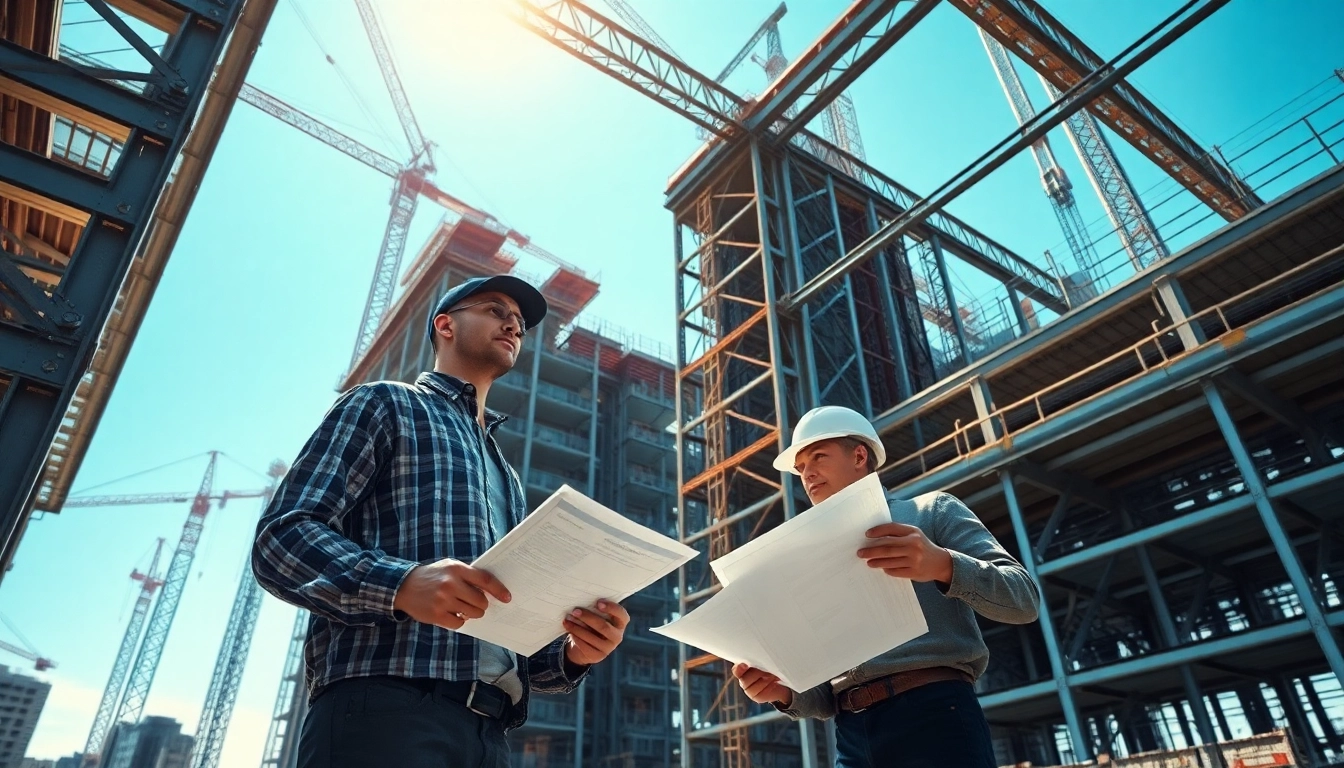
Understanding Structural Steel Construction
What is Structural Steel Construction?
Structural steel construction involves the use of steel as a primary component in the framework of a building or structure. It encompasses the whole process from design and fabrication to the final assembly. Steel is noted for its strength, flexibility, and durability, making it a preferred choice in a wide range of construction projects, from commercial buildings to bridges and industrial facilities. The process begins with steel sections being shaped through various techniques, allowing for custom designs and structures that meet the specific needs of each project. As a key player in the construction industry, structural steel construction practices continue to evolve with new technologies and methodologies, enhancing both safety and efficiency.
Benefits of Using Structural Steel
Utilizing structural steel in construction offers numerous advantages, which are critical for modern building practices. Firstly, steel provides exceptional strength-to-weight ratio compared to other materials, allowing for lighter frames that can support larger spans without the need for extensive columns or supports. This flexibility makes it possible to create open spaces, offering designers more freedom in layout and architecture.
Secondly, structural steel is sustainable; it is 100% recyclable, which means that it can be repurposed without losing its inherent properties. This characteristic makes it an environmentally responsible choice, aligning with the growing emphasis on sustainable construction practices.
Additionally, the speed of construction is another significant benefit. Pre-fabricated steel components can be manufactured off-site and then quickly assembled on-site, thus reducing overall project timelines and costs. Furthermore, structural steel is resistant to many of the issues that can affect other materials, such as termites and rot, which can significantly reduce maintenance costs over a building's lifespan.
Materials and Specifications in Structural Steel
The materials used in structural steel construction include various grades of steel, commonly referred to as structural steel shapes and sections. The most accepted specifications are ASTM A36, ASTM A992, and ASTM A572, among others, each of which is designed to fulfill specific structural requirements. Understanding these specifications is essential for engineers and architects, as they dictate the performance standards for different types of structural elements.
Common steel shapes used include I-beams, channels, angles, and plates. Each shape serves distinct functions, contributing to the overall integrity of the structure. It is crucial to select the right material and specification based on the loads the structure must support, as well as environmental factors such as exposure to moisture and temperature fluctuations, to ensure a safe and durable construction.
Planning Your Structural Steel Project
Key Steps in Project Planning
Planning a structural steel project requires careful consideration of various factors. The first step is conducting a thorough site analysis, which includes surveying the land and assessing soil quality, load-bearing capacity, and prevailing environmental conditions. This data is essential for determining how to best utilize structural steel in the design.
Next, collaboration with architects and engineers is key to developing initial sketches and detailed designs that integrate the physical properties of steel with the aesthetic vision of the project. This phase often includes modeling using advanced software to allow for simulations that can predict how the structure will behave under various conditions.
Budgeting is another essential planning step. Structural steel can be cost-effective, but unexpected expenses can arise if planning is insufficient. Creating a clear budget from the outset helps to avoid overruns and ensures funding is available for all project phases. This includes considering not only material costs but also labor, transportation, and any necessary permits.
Engaging Professional Expertise
Engaging the right expertise is vital for the success of a structural steel project. The involvement of experienced engineers, architects, and contractors can dramatically improve the overall quality of the build. Each professional plays a unique role—from structural engineers who ensure the building can withstand various loads and forces, to architects who focus on aesthetic and functional design.
Additionally, specialists in structural steel can optimize material usage and fabrication processes, leading to reduced waste and increased efficiency. Collaboration among these experts throughout the project ensures that all considerations—from initial design to final inspection—are addressed thoroughly, enhancing the project’s viability and success.
Understanding Regulatory Requirements
Complying with regulatory requirements is critical in structural steel construction. Various codes and standards must be adhered to, often dictated by local municipal regulations and national safety standards like those set by the American Institute of Steel Construction (AISC) and the Occupational Safety and Health Administration (OSHA). These standards provide guidelines for material properties, design practices, and construction safety protocols.
Before beginning a project, it is necessary to obtain all required permits and approvals from local authorities. This may include zoning permits, building permits, and inspection approvals at various construction phases. Failing to comply with these regulations can lead to costly delays and penalties, emphasizing the importance of understanding and integrating these requirements into the early stages of project planning.
Design Considerations for Structural Steel Construction
Architectural Design Trends and Innovations
The field of architectural design is continually evolving, with new trends emerging regularly. One notable trend in structural steel construction is the increasing preference for sleek and minimalistic designs, which highlight the beauty of steel itself. Incorporating exposed beams and trusses showcases the material's structural capabilities while lending a modern aesthetic to buildings.
Innovations have also expanded in the realm of 3D modeling and virtual reality, allowing architects to create more intricate designs and ensure better alignment with client expectations before construction begins. These technologies provide real-time visualizations that can help refine designs and assess structural integrity prior to material procurement and fabrication.
Load-Bearing and Stability Aspects
At the core of structural steel design is a comprehensive understanding of load-bearing capabilities and stability. Structural engineers must calculate all potential loads—permanent loads (own weight of the structure), variable loads (occupant loads, furniture), and environmental loads (wind, seismic activity, and thermal effects)—to ensure that the structure can safely support these loads.
Stability analyses often include checks for buckling, lateral-torsional buckling, and overall structural stability under extreme conditions, ensuring that the design complies with safety standards. By implementing advanced analysis methods like finite element analysis (FEA), engineers can visualize complex interactions within the structure, leading to more resilient designs.
Integrating Sustainability in Design
Sustainability has become a fundamental pillar in modern structural design. Structural steel itself lends to sustainability through its recyclability, but designers can further enhance this by implementing energy-efficient systems and sustainable construction practices. Consideration of natural light and ventilation in building designs not only minimizes energy consumption but also promotes healthier living and working environments.
Moreover, selecting materials with low embodied energy and minimizing waste during fabrication and construction processes are essential strategies. This approach not only reduces the environmental footprint of a project but also resonates with a growing public demand for eco-friendly practices in construction.
Execution and Management of Steel Construction Projects
Essential Techniques for Effective Execution
Effective execution of structural steel construction requires meticulous coordination and adherence to best practices. One vital technique is employing lean construction principles, which focus on reducing waste, maximizing value, and enhancing efficiency. Techniques such as just-in-time delivery of materials can help minimize on-site storage needs and reduce the chances of material damage.
Additionally, using advanced project management software facilitates tracking timelines, budgets, and resources across various teams engaged in the construction process. These platforms can offer real-time data accessible to all stakeholders, ensuring everyone remains informed and aligned, which is crucial for maintaining momentum on the project.
Construction Site Safety and Best Practices
Safety on construction sites is non-negotiable, particularly when working with heavy materials like structural steel. Implementing comprehensive safety training and establishing clear protocols for handling and installing steel components is essential for minimizing accidents. Personal Protective Equipment (PPE) should be strictly enforced to protect workers from hazards.
Moreover, conducting regular safety audits and adhering to OSHA guidelines can significantly reduce risks on-site. Establishing a safety-first culture among all team members fosters accountability and encourages proactive measures to prevent accidents.
Managing Timelines and Budgets
Success in managing timelines and budgets in structural steel construction depends on precise planning and proactive risk management. It's important to develop a detailed project schedule, breaking down each phase of construction into actionable steps, including deadlines for deliveries, inspections, and construction milestones. Regularly reviewing this schedule helps keep all stakeholders accountable.
Budget management involves tracking costs continuously, from material procurement to labor expenses. Identifying potential risk factors that might lead to unforeseen costs, such as delays in material supply, allows teams to develop contingency plans. Open communication about budget constraints with clients ensures that all parties remain aligned and can adjust expectations as necessary.
Future Trends in Structural Steel Construction
Emerging Technologies and Their Impact
Emerging technologies are set to reshape the landscape of structural steel construction significantly. Innovations such as Building Information Modeling (BIM) enable more accurate planning and execution, providing a digital representation of the physical and functional aspects of any structure. This technology allows for better collaboration among architects, engineers, and construction teams.
Additionally, advancements in robotics and automation stand to improve efficiency and safety in construction tasks, reducing reliance on manual labor for repetitive processes. As these technologies evolve, they promise to streamline the construction workflow and enhance overall project outcomes.
Challenges Facing the Industry
Despite the many advantages of structural steel construction, the industry faces several challenges. One significant issue is the volatility in steel prices, which can disrupt project budgets and timelines. Workforce shortages, particularly skilled labor, also pose a challenge for many construction companies, leading to delays and impacting the quality of work.
Furthermore, as the industry moves toward more sustainable practices, the need for transparency in sourcing and environmental impact becomes increasingly important. Companies must address these challenges with innovative solutions and proactive strategies to maintain competitiveness.
Innovations Shaping the Future of Steel Construction
Innovations in materials and processes are constantly emerging, driving improvements in structural steel construction. The development of high-strength steel grades and composite materials enhances durability while potentially reducing material usage and costs. These innovations allow for more slender and complex structural designs, further expanding the possibilities of what can be constructed.
In addition, an increased focus on digital modeling, real-time data analytics, and smart technologies will likely advance safety and efficiencies in construction management. As the field of structural steel construction continues to evolve, embracing these innovations will be crucial for companies seeking to improve performance and satisfaction in their projects.