Understanding Bed Bugs and Their Impact
Introduction to Bed Bugs
Bed bugs, scientifically known as Cimex lectularius, are small, wingless insects that feed on the blood of humans and animals while they sleep. Their flat, oval bodies allow them to hide easily in cracks and crevices, making detection difficult. Bed bugs are not only a nuisance but can also cause significant distress and anxiety to those affected. Understanding their biology and behavior is essential for effective bed bug removal.
Signs of Infestation
Detecting a bed bug infestation early is crucial for effective management. Common signs include:
- Bed Bug Bites: Itchy welts or rashes on the skin are telltale signs, often appearing in clusters.
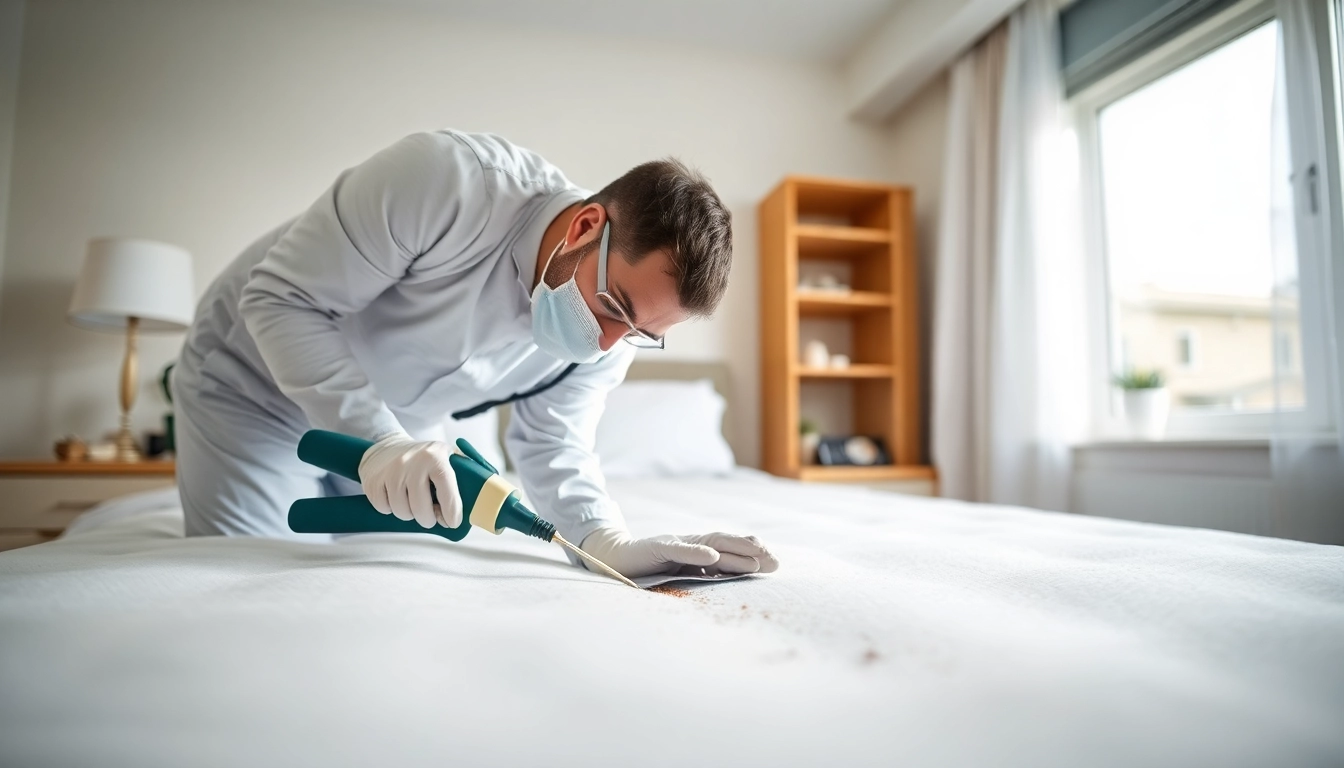
- Dark Stains: Look for small, dark spots on bedding or furniture, which are excrement from bed bugs.
- Eggs and Shells: Bed bug eggs are tiny, white, and often found in hidden crevices.
- Live Bugs: Adult bed bugs are about the size of an apple seed and can be spotted while rummaging through bedding or upholstery.
Health Risks Associated with Bed Bugs
Though bed bugs are not known to transmit diseases, their bites can lead to various health issues, including:
- Allergic Reactions: Some individuals may experience severe allergic reactions, requiring medical treatment.
- Secondary Infections: Scratching bites can lead to infections, making it necessary to seek further medical care.
- Mental Health Effects: Anxiety, insomnia, and emotional distress are common among those dealing with infestations.
Preparing for Bed Bug Removal
Identifying Infested Areas
Identifying all potential infested areas in your home is the first step before attempting removal. Check:
- Bedroom: Inspect mattresses, bed frames, nightstands, and baseboards.
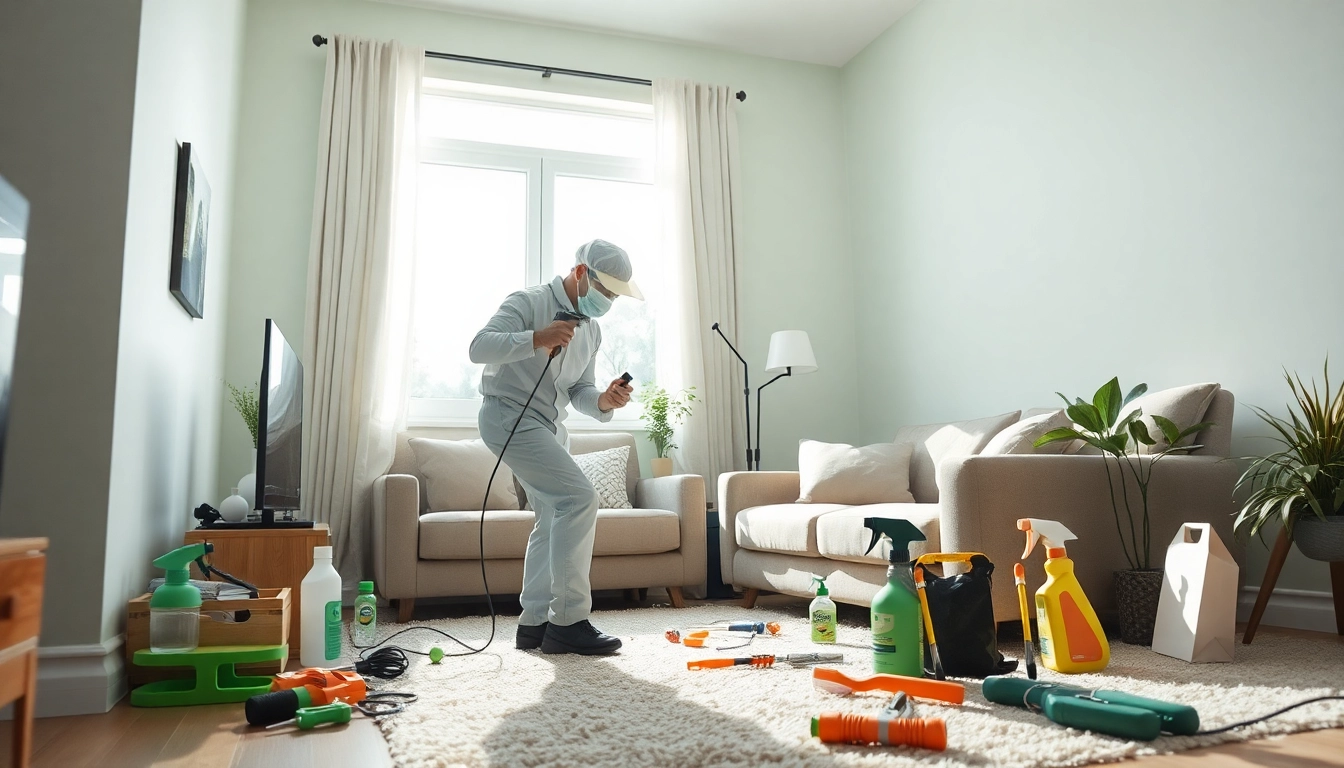
- Living Areas: Check sofas, chairs, and surrounding carpets or rugs.
- Other Rooms: Make sure to examine closets, curtains, and other upholstered furniture.
Creating a Treatment Strategy
Once you’ve identified the infested areas, develop a comprehensive treatment strategy that could involve:
- DIY Methods: Consider initial do-it-yourself methods for minor infestations.
- Professional Help: For significant issues, hiring pest control experts may be more effective.
- Combination Approaches: Utilize a mix of heat and chemical treatments for better results.
Preparing Your Home for Extermination
Before any extermination process, it’s essential to prepare your environment to maximize effectiveness:
- Declutter: Remove any unnecessary items from the infested areas to reduce hiding spots.
- Laundry: Wash and dry all bedding and clothing on high heat to kill any bed bugs present.
- Vacuum: Thoroughly vacuum the affected areas, focusing on edges and seams.
DIY Bed Bug Removal Methods
Using Heat Treatment
Heat treatment is one of the most effective methods for killing bed bugs quickly. Here are some steps for successful heat treatment:
- Use a Steam Cleaner: Apply steam directly to infested areas such as mattresses, bed frames, and carpets.
- Heat Items: Place smaller items in a dryer on high heat for 30 minutes to eliminate bed bugs.
- Professional Heat Treatment: Consider renting specialized equipment if the infestation is severe.
Natural Repellents and Traps
If you’re looking for eco-friendly options to deter bed bugs, consider the following natural repellents and traps:
- Diatomaceous Earth: This non-toxic powder can be sprinkled in areas where bed bugs hide to dehydrate and kill them.
- Essential Oils: Oils like tea tree and lavender can repel bed bugs, making them useful in a spray formulation.
- Homemade Traps: Create traps using soapy water or a mixture of water and vinegar to capture insects.
When to Use Chemical Solutions
Chemical insecticides can be effective for severe infestations but should be used judiciously. Guidelines include:
- Follow Instructions: Always adhere to the manufacturer’s guidelines for application and safety.
- Integrate Methods: Use chemicals alongside heat treatment or natural methods for the best results.
- Avoid DIY Chemicals: Refrain from mixing various household products, which may be dangerous or ineffective.
Hiring Professionals for Bed Bug Removal
Choosing the Right Exterminator
When deciding to hire a professional, it’s important to consider the following:
- Experience and Credentials: Look for pest control services with strong reputations and certifications.
- Reviews and References: Read customer reviews or ask for references to gauge effectiveness.
- Consultations: Many pest control companies offer free consultations to assess the situation before treatment.
Understanding Treatment Options
Professionals may provide various treatment options which often include:
- Heat Treatments: Strongly effective and environmentally friendly.
- Pesticides: Targeted applications that are proven to be effective when used correctly.
- Integrated Pest Management (IPM): A multi-faceted approach that combines different strategies to eliminate bed bugs.
Cost Considerations for Professional Services
The cost of hiring pest control for bed bug removal varies based on factors including:
- Infestation Level: Larger infestations typically cost more to treat.
- Type of Treatment: Heat treatments may be more expensive than chemical ones.
- Location: Prices can fluctuate depending on geographical area and market demand.
Maintaining a Bed Bug-Free Environment
Preventive Measures After Treatment
After treatment, it’s crucial to maintain a bed bug-free home through the following practices:
- Regular Inspections: Periodically check for signs of bed bugs, especially in vulnerable areas.
- Protective Covers: Use encasements on mattresses and box springs to safeguard against reinfestation.
- Be Cautious: Inspect any second-hand furniture or clothing before bringing them into your home.
Monitoring for Recurrences
Keep vigilant for any signs of returning bed bugs by:
- Continued Vigilance: Regularly check common hiding places and stay alert for bites.
- Bed Bug Monitors: Consider installing monitors under beds or furniture to catch any returning bugs early.
- Community Awareness: Share information with neighbors to help in local bed bug awareness and prevention efforts.
Community Resources for Ongoing Support
Local health departments and community organizations can offer valuable resources for ongoing support regarding bed bug management:
- Educational Materials: Free pamphlets or resources that educate the public about bed bug prevention.
- Workshops: Community workshops can help residents learn effective bed bug management strategies.
- Support Groups: Connections with others experiencing similar issues can provide emotional support and shared strategies for coping.
Frequently Asked Questions
1. Can I sleep in my bed if I have bed bugs?
Although it’s not ideal, you can sleep in your bed. It’s essential to manage the infestation promptly to minimize bites and discomfort.
2. What is the most effective method for killing bed bugs?
Heat treatment is one of the most effective methods for killing bed bugs, as it can eliminate all life stages of the bug.
3. How long does it take to get rid of bed bugs?
The time it takes to eliminate bed bugs varies, depending on the severity of the infestation and the treatment method used.
4. Are bed bug treatments safe for pets?
Many bed bug treatments are safe for pets, but it’s essential to consult with your exterminator for specifics based on the products used.
5. How can I prevent bed bugs in the future?
Regular inspections, protective covers for bedding, and being cautious with second-hand items are effective prevention strategies against future infestations.