
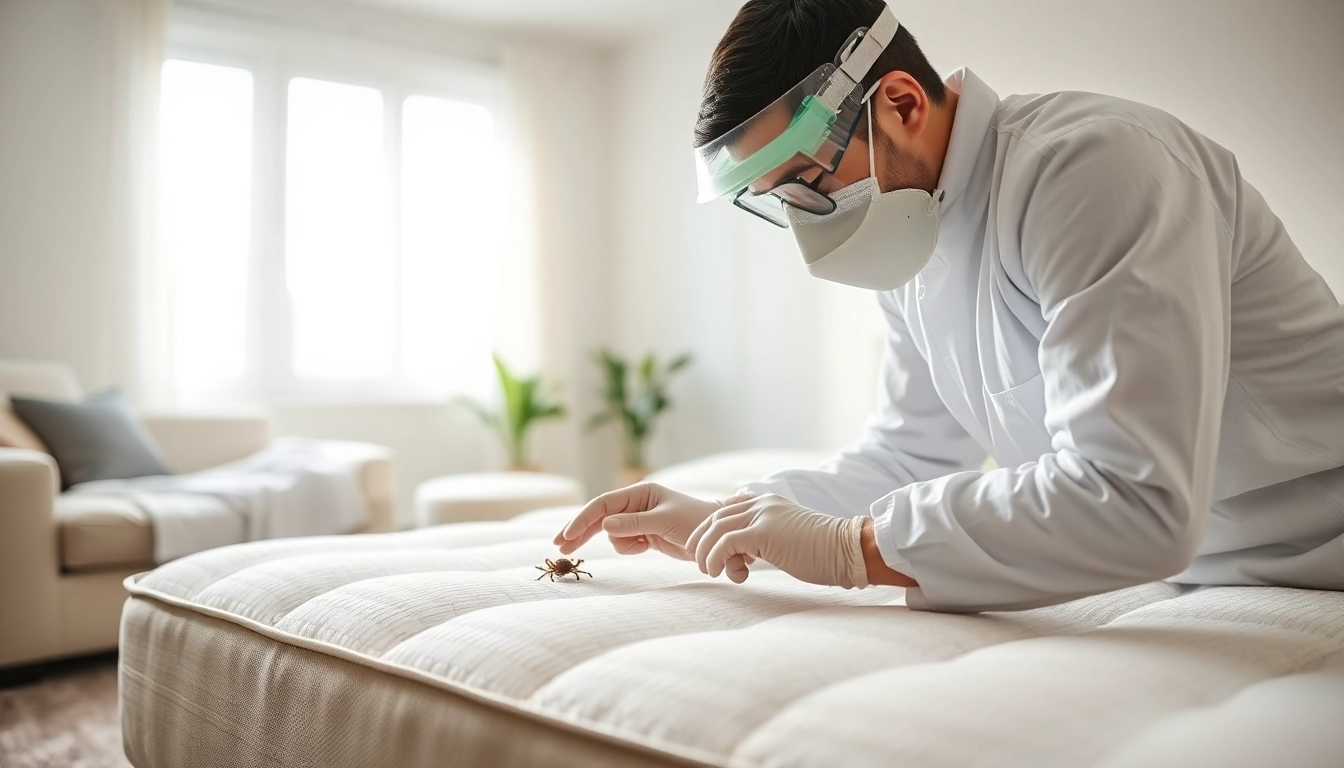
Understanding Bed Bugs and Their Habits
What Are Bed Bugs?
Bed bugs are small, parasitic insects that belong to the Cimex lectularius species. These nocturnal creatures primarily feed on human blood and are notoriously known for making their homes in close proximity to where we sleep, such as in mattresses, bed frames, and upholstered furniture. Adult bed bugs are easily recognizable by their flat, oval bodies, which can range in color from brown to reddish-brown after feeding. Their size, comparable to an apple seed, makes them difficult to spot unless they make their presence known. Understanding the nature and behavior of bed bugs is crucial in managing an infestation effectively.
Common Signs of Infestation
Detecting a bed bug infestation can be challenging, but there are several key indicators that can help homeowners identify these pests early. Look for:
- Bitten Skin: Bed bug bites typically appear in clusters or lines and may result in itchy welts.
- Blood Stains: Small, rust-colored stains on bedding or mattresses are often remnants of crushed bed bugs.
- Dark Fecal Spots: Tiny black dots of bed bug droppings can be found on bedding, walls, or furniture.
- Shed Skins: As bed bugs mature, they molt, leaving behind exoskeletons that are light brown and translucent.
If you notice any of these signs, it may be time to consider bed bug treatment options.
How Bed Bugs Travel and Spread
Bed bugs are expert hitchhikers and can easily be transported from one location to another. They find their way into homes and businesses through luggage, clothing, used furniture, and even via shared walls in multi-unit housing. Once in a new environment, they breed quickly, making it imperative to address infestations promptly. Awareness of how these pests spread is vital for preventing new infestations.
Comprehensive Approaches to Bed Bug Treatment
Integrated Pest Management Techniques
Integrating multiple strategies is key to effective bed bug management. The Integrated Pest Management (IPM) approach combines various control methods to reduce pest populations while minimizing risks to human health and the environment. IPM includes:
- Inspection: Regular, thorough inspections of living spaces are vital in detecting bed bugs early.
- Sanitation: Keeping spaces clean and clutter-free makes it challenging for bed bugs to hide and reproduce.
- Monitoring: Employing traps and monitoring devices can help keep track of pest populations.
- Biologically-Based Treatments: Using natural predators or pathogens to manage bed bug populations is a growing area of research.
Choosing Chemical and Non-Chemical Options
When dealing with a bed bug infestation, homeowners can choose from a variety of treatment options. Chemical treatments often involve insecticides specifically designed to target bed bugs and their eggs. It’s crucial to select products labeled for bed bugs and follow manufacturer instructions.
Non-chemical options include:
- Heat Treatment: Heating infested areas above 120°F (49°C) can effectively kill bed bugs at all life stages.
- Cold Treatment: Freezing items at temperatures below 0°F (-18°C) for at least four days can also eliminate bed bugs.
- Steam Cleaning: High-temperature steam can penetrate fabrics and kill bed bugs and their eggs.
Preparation Before Treatment
Before implementing any treatment methods, preparation is essential. This involves:
- Decluttering: Removing unnecessary items from your home can help expose bed bugs, allowing for better treatment.
- Laundering Linens: Washing all bedding, curtains, and clothing in hot water and drying them on high heat can kill any hiding bed bugs.
- Sealing Cracks: Caulking or sealing cracks and crevices in walls, furniture, and flooring can help prevent bed bug movement.
DIY Bed Bug Treatment Methods
Step-by-Step Home Remedies
For those who prefer to tackle bed bugs without professional help, several DIY methods can be used. These include:
- Vacuuming: Regular vacuuming of carpets, rugs, and furniture can help remove bed bugs and eggs. Dispose of the vacuum bag immediately.
- Essential Oils: Some oils, such as lavender and tea tree, have been cited for their insect-repellent properties. However, their effectiveness is often anecdotal.
- Homemade Traps: Setting up simple traps with sticky tape around bed legs can capture wandering bugs.
Using Heat Treatment Effectively
Heat treatment is one of the most successful methods for eradicating bed bugs. This method can be applied in both professional settings and home environments. If opting for DIY heat treatment:
- Use a commercial heat device capable of raising room temperatures above 120°F.
- Seal and isolate items before applying heat to prevent the bugs from escaping.
- Continue heating areas for several hours to ensure all bed bugs are affected.
Limitations of DIY Approaches
Although DIY treatments can be effective in some cases, they do have limitations:
- Incomplete coverage can leave surviving bugs to breed again.
- Time-consuming and potentially stressful, DIY treatments often require significant effort and vigilance.
- Professional treatments often have access to more effective products and equipment.
Professional Bed Bug Treatment Services
What to Expect from Exterminators
Engaging professional pest control services guarantees a thorough evaluation and strategic approach to treatment. Exterminators typically follow these steps:
- Inspection: A comprehensive inspection helps identify the extent of the infestation.
- Tailored Treatment Plan: Based on the inspection findings, exterminators will develop a customized treatment plan.
- Follow-Up Visits: Many services include follow-up visits to ensure the problem is resolved effectively.
Cost Considerations for Professional Treatments
The cost of professional extermination services varies based on several factors:
- Extent of Infestation: Heavily infested areas may incur higher costs due to the complexity of treatments.
- Property Size: Larger homes or multi-unit buildings may require more resources and time, impacting overall expense.
- Type of Treatment: The choice between chemical, heat, or integrated methods can affect pricing.
Finding Reliable Pest Control Services
Choosing the right pest control service is critical. Here are tips for making an informed decision:
- Research local exterminators and read reviews to gauge effectiveness.
- Check for licenses and certifications to ensure compliance with safety and environmental regulations.
- Ask for detailed information on the treatment methods and follow-up procedures they offer.
Preventative Measures to Avoid Future Infestations
Regular Maintenance and Inspection
Preventing future infestations is essential for homeowners. Implement regular inspections of sleeping areas and luggage after travel to catch any bed bugs early. Maintaining a clean environment reduces hiding places for these pests.
Best Practices for Travelers and Students
Travelers and students living in dormitories should be particularly vigilant. Use luggage encasements, avoid placing bags on beds or floors, and inspect accommodations before settling in. Washing clothes immediately upon returning home can further reduce the risk of bringing bed bugs indoors.
Using Mattress and Box Spring Encasements
Investing in high-quality encasements for mattresses and box springs can act as a formidable barrier against bed bug infestations. These specialized coverings trap any existing bed bugs inside while preventing new ones from entering.
FAQs about Bed Bug Treatment
How can I tell if I have bed bugs?
Signs include bites on your skin, blood stains on sheets, dark fecal spots, and shed skins. If you notice these symptoms, it’s time for a thorough inspection.
What is the most effective bed bug treatment?
The most effective treatment often combines heat treatment, chemical insecticides, and integrated pest management strategies for comprehensive eradication.
Can I do bed bug treatment myself?
Yes, but DIY treatments vary in effectiveness. Ensure thorough cleanliness, vacuum regularly, and consider heat treatments for best results while being aware of limitations.
Are bed bug bites dangerous to health?
Bed bug bites are generally not dangerous, but they can cause allergic reactions in some individuals. Secondary infections can occur from scratching the bites.
How often should I have my home inspected for bed bugs?
Regular inspections, especially after travel or in shared living spaces, are recommended. It’s good practice to inspect at least once a year or more frequently if you experience symptoms.