
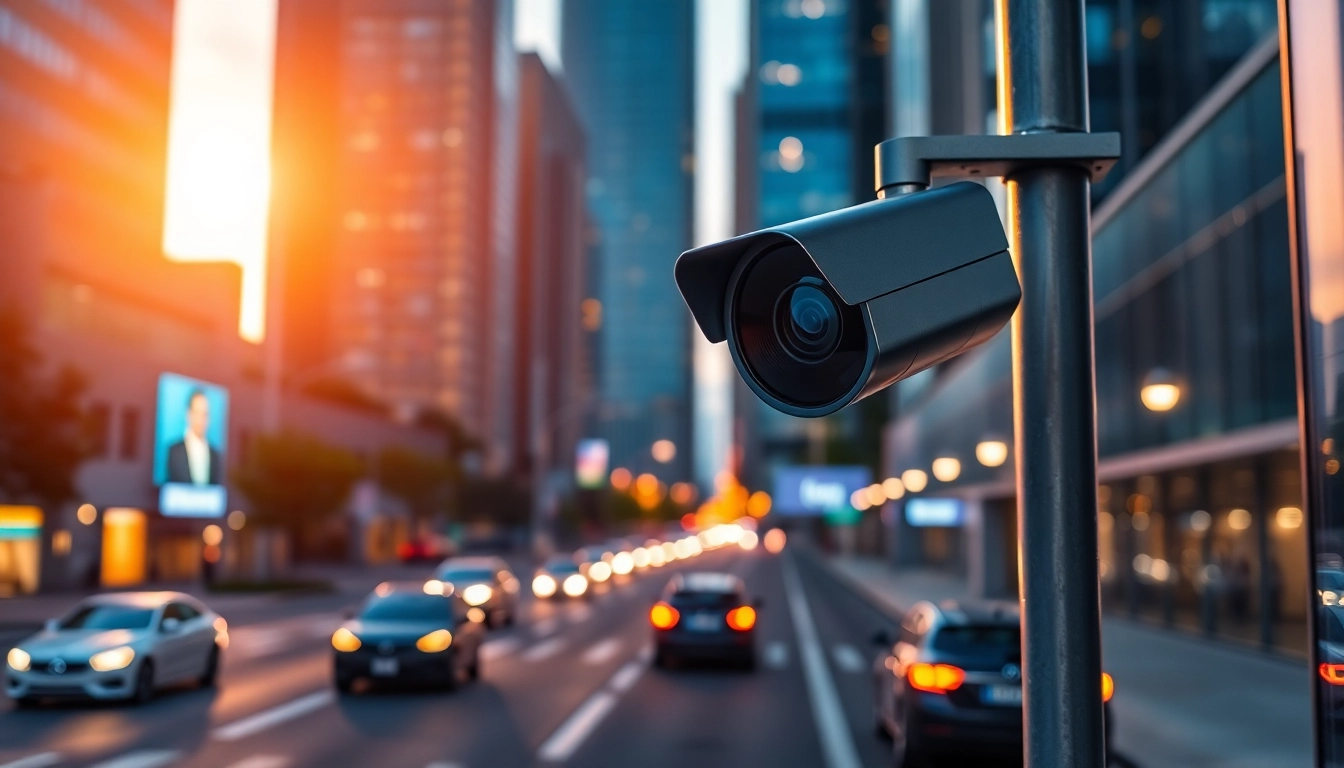
Introduction to License Plate Recognition Camera
In an age where security and efficiency are paramount, the license plate recognition camera has emerged as a pivotal technology. Designed to capture and analyze vehicle license plates, these cameras not only enhance security but also streamline operations across various sectors. Businesses, law enforcement, and municipalities increasingly rely on LPR (License Plate Recognition) systems to manage access control, improve safety, and gather critical data on vehicular traffic.
What is a License Plate Recognition Camera?
A license plate recognition camera is a specialized surveillance device that utilizes advanced imaging technology to automatically detect and read alphanumeric characters on vehicle license plates. Equipped with high-quality lenses and infrared capabilities, these cameras can operate in various lighting conditions, capturing clear images of plates day or night. The technology typically employs Optical Character Recognition (OCR) software to convert the captured images into machine-readable data, which can then be stored, analyzed, and reported upon.
How Does License Plate Recognition Camera Work?
The operational mechanics of a license plate recognition camera revolve around several key components: image capture, processing, and data management. Initially, the camera captures an image of a vehicle as it approaches, using various image sensors to enhance clarity and detail. The captured image is then processed through OCR software, which isolates the license plate and converts the visual data into text. This data can be integrated into various systems for applications such as parking management, traffic flow analysis, or law enforcement investigations.
Benefits of Using License Plate Recognition Camera
The implementation of a license plate recognition camera offers numerous advantages across different sectors:
- Enhanced Security: Provides critical data for monitoring suspicious activities, assisting law enforcement, and preventing unauthorized access.
- Automated Tracking: Enables the tracking of vehicles in real-time, facilitating efficient management of traffic and parking space.
- Data Integration: The ability to integrate with existing security systems ensures comprehensive security coverage and analytics.
- Improved Efficiency: Automates manual processes related to vehicle identification and entry, saving time and labor costs.
- Scalability: Flexible installation options allow for scalability, adapting to the needs of various applications from residential to municipal.
Key Features of License Plate Recognition Camera
Image Quality and Processing Speed
When selecting a license plate recognition camera, image quality and processing speed are critical factors. High-resolution cameras ensure that every vehicle is captured in detail, reducing the likelihood of misrecognition. Advanced models can process images at high speeds, even in fast-moving traffic, ensuring that no vehicle goes unrecognized and minimizing the chances of system overload during peak times.
Installation and Integration Options
Installation flexibility is another advantage of modern license plate recognition cameras. They can be installed in various locations, such as on poles, building exteriors, or integrated into existing security infrastructure. Furthermore, seamless integration with parking systems, law enforcement databases, and access control systems simplifies implementation and enhances functionality.
Data Security and Privacy Considerations
Data security is a foremost concern when employing any surveillance system, and license plate recognition cameras are no exception. Ensuring that captured data is securely stored and that privacy regulations are adhered to is critical. Enhanced encryption methods and strict access controls protect sensitive information from unauthorized access or data breaches. Moreover, transparency about how data is collected and used fosters public trust and compliance with privacy laws.
Applications of License Plate Recognition Camera
Law Enforcement and Public Safety
License plate recognition cameras play a crucial role in law enforcement and public safety. They allow authorities to quickly identify stolen vehicles, track down wanted individuals, and monitor traffic patterns. By using this data, police departments can allocate resources more efficiently and respond to incidents promptly. Additionally, many jurisdictions are beginning to use LPR data in crime investigations and suspect tracking.
Access Control for Parking Facilities
Parking facilities have embraced license plate recognition technology to enhance user experience and security. LPR systems can automate gate access by recognizing registered vehicles and logging entry and exit times for billing purposes. This automation minimizes wait times and reduces staff requirements, leading to a more efficient operation. Additionally, unauthorized vehicles can be flagged for manual review, ensuring that paid parking is maintained.
Traffic Management and Analysis
Data collected from license plate recognition cameras can significantly improve traffic management systems. By monitoring real-time traffic flow and congestion levels, municipalities can adjust signals and improve road safety. Data aggregation over time allows for long-term traffic pattern analysis, aiding in infrastructure development and urban planning decisions.
Choosing the Right License Plate Recognition Camera
Factors to Consider Before Purchase
When selecting a license plate recognition camera, key considerations include image resolution, processing speed, and environmental adaptability. Users must consider how the camera will perform under various conditions, including low light and varying weather. Additionally, determining the required storage capacity, software compatibility, and the system’s ability to scale as needs evolve are essential.
Comparing Different Models
It’s crucial to compare different models based on features, pricing, and user reviews. Investigate the manufacturer’s reputation, warranty, and technical support services. Many retailers offer side-by-side comparisons of specifications, making it easier to assess which model will best meet individual needs.
Installation Recommendations
Proper installation is vital for effective functionality. Hiring professionals experienced in deploying surveillance technology ensures that cameras are positioned optimally for the best field of view while considering potential obstructions and lighting conditions. Post-installation testing is essential to confirm that the camera operates as expected.
Future Trends in License Plate Recognition Camera Technology
Advancements in AI and Machine Learning
As technology advances, so too does the capability of license plate recognition cameras, particularly through AI and machine learning. Future trends indicate growing adoption of these technologies to improve accuracy and reduce false positives. Enhanced algorithms will continuously learn from operational data, enabling the camera systems to adapt to new environments and challenges autonomously.
Integration with Smart City Infrastructure
The trend towards smart cities incorporates license plate recognition technology as a key element. Integration with broader city infrastructure—such as traffic lights, emergency services, and public transport systems—will promote streamlined operations and improved safety. Real-time data sharing among city services will aid in data-driven decision-making and resource allocation.
Potential Challenges Ahead
Despite its numerous advantages, the deployment of license plate recognition cameras is not without challenges. Issues such as data security, privacy concerns, and public scrutiny require careful management. The evolving legal landscape surrounding surveillance technology could result in new regulations affecting how data is collected, stored, and utilized, requiring ongoing attention from operators.
Frequently Asked Questions
1. What is the primary purpose of a license plate recognition camera?
The primary purpose is to automatically capture and analyze license plates to enhance security, facilitate access control, and manage vehicular traffic efficiently.
2. Can license plate recognition cameras work at night?
Yes, most modern license plate recognition cameras are equipped with infrared technology to ensure effective operation in low-light or night conditions.
3. How accurate are license plate recognition cameras?
Accuracy can exceed 90% with proper lighting, camera positioning, and advanced algorithms; however, some factors, like weather or obstructions, can affect performance.
4. Are there privacy concerns with license plate recognition cameras?
Yes, privacy concerns exist; managing data securely and complying with regulations is essential to address public apprehensions and foster trust.
5. How are license plate recognition cameras installed?
Installation typically involves positioning the camera at an optimal angle for a clear view of approaching vehicles, often requiring professional setup to ensure efficiency.