
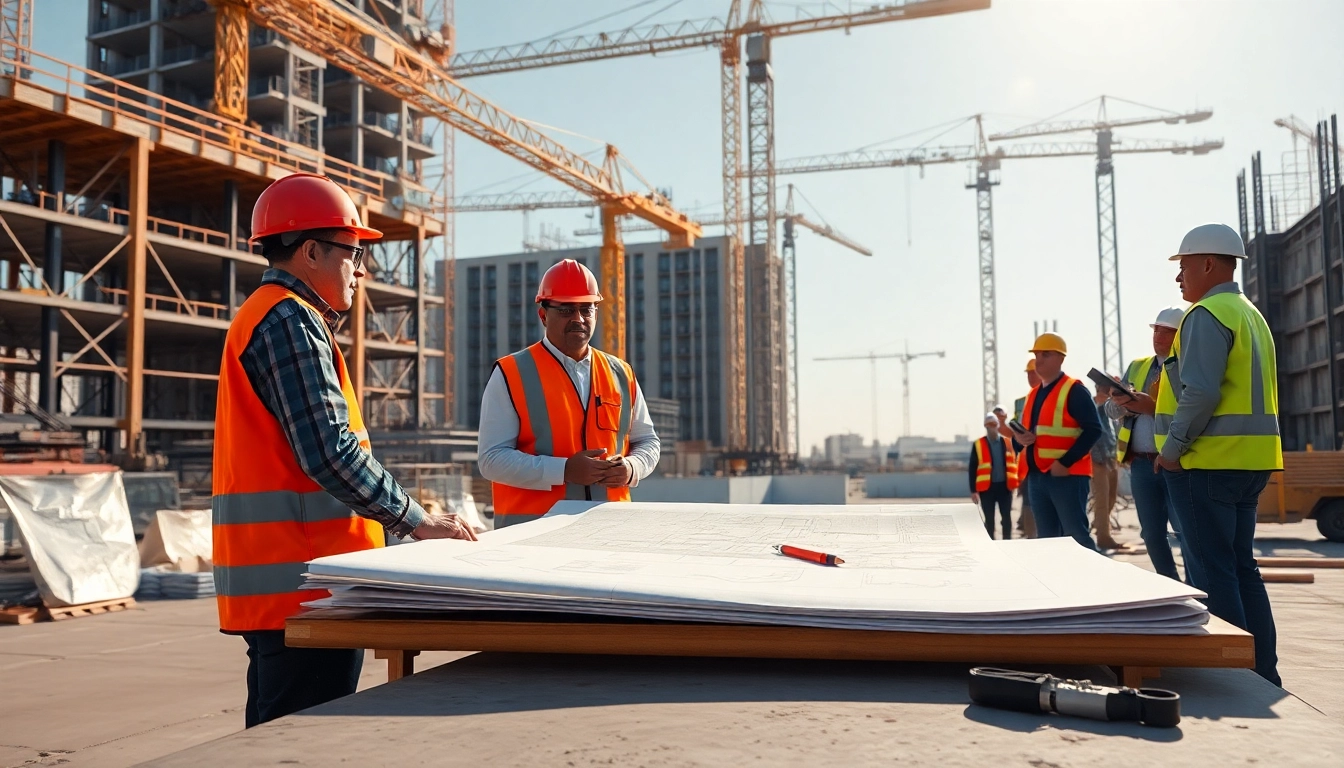
Understanding the Role of a Building Developer
Defining a Building Developer’s Work
A building developer is primarily a professional engaged in the procurement, improvement, and sale of real estate. This role encompasses a diverse array of responsibilities, such as purchasing land, financing real estate deals, and coordinating the construction of residential or commercial buildings. Building developers are also involved in project management, ensuring that developments adhere to regulations, stay within budget, and meet market demands.
The Value of Real Estate Development
Real estate development holds significant economic value, influencing various sectors including construction, finance, and employment. By introducing new properties to the market, builders contribute to urban growth and socioeconomic development. Furthermore, successful developments can provide essential housing and commercial spaces, enhance community infrastructure, and uplift neighborhoods.
Latest Trends Impacting Building Development
The real estate sector is influenced by a plethora of trends that impact building developers’ strategies. Sustainability and environmental factors play a critical role; developers are increasingly integrating green building practices. Additionally, technological advancements, such as digital modeling and project management software, have transformed how projects are designed and executed, promoting efficiency and innovation.
Educational Paths for Aspiring Building Developers
Relevant Degrees and Programs
A solid educational background is crucial for those aspiring to become building developers. Relevant fields include real estate, urban planning, architecture, business administration, and finance. A degree in these areas not only lays the groundwork of knowledge necessary for success but also equips individuals with the analytical and critical thinking skills essential in navigating the complexities of real estate projects.
Skills Necessary in Building Development
Developers should possess a combination of technical and soft skills. Critical thinking, project management capabilities, and knowledge of construction and finance are essential. Additionally, strong interpersonal skills facilitate collaboration with various stakeholders, including architects, contractors, and municipal agencies, enhancing a developer’s ability to navigate challenges throughout the project lifecycle.
Internship and Work Experience Opportunities
Gaining practical experience through internships and entry-level positions is vital for aspiring building developers. Internships provide valuable insights into the industry, networking opportunities, and hands-on experience, which can significantly enhance a candidate’s credentials and understanding of real estate development processes.
Key Challenges Faced by Building Developers
Market Fluctuations and Economic Factors
The real estate market is inherently volatile, affected by economic fluctuations, interest rates, and consumer demand. Building developers must adapt strategies to mitigate risks associated with market downturns while capitalizing on favorable conditions. Understanding market indicators and trends is critical for sound decision-making, ensuring that projects remain viable and profitable.
Regulatory Hurdles in Construction
Navigating the regulatory landscape can be one of the most challenging aspects of building development. Compliance with zoning laws, building codes, and environmental regulations can require significant time and resources. Developers need to work closely with local governments and regulatory agencies, often engaging in lengthy permitting processes to gain necessary approvals.
Environmental and Sustainability Considerations
As sustainability becomes a focal point in construction, developers face increased pressure to implement eco-friendly practices. This includes using sustainable building materials, reducing waste, and ensuring energy efficiency in new developments. Addressing these concerns not only meets regulatory expectations but also appeals to environmentally conscious consumers, enhancing marketability.
Best Practices in Building Development
Conducting Feasibility Studies
A comprehensive feasibility study is essential before initiating a development project. It examines the financial viability, market demand, and possible legal barriers associated with a project. This initial research helps developers gauge the potential success of their endeavors, ensuring informed investment decisions.
Collaboration with Architects and Contractors
Successful building development hinges on effective collaboration among architects, contractors, and developers. Open communication fosters a shared vision, while coordinated efforts streamline project workflows, mitigate risks, and enhance adaptive capacity to unforeseen challenges.
Innovating with Technology in Construction
Technology integration is transforming the building development industry. Tools like Building Information Modeling (BIM), drone surveying, and augmented reality enhance efficiency in design, planning, and execution. Embracing these technologies can significantly reduce costs and timelines while improving overall project quality.
Measuring Success as a Building Developer
Key Performance Indicators in Development
To evaluate success, developers utilize various key performance indicators (KPIs). These can include return on investment (ROI), project completion time, budget adherence, and tenant satisfaction. Tracking these metrics enables developers to adjust their strategies to optimize future projects.
Assessing Project Management Effectiveness
Effective project management is pivotal in the building development arena. Success can be measured through the timely completion of projects, quality control assessments, and stakeholder feedback. Continuous improvement practices should be implemented based on the insights gained from previous projects to better future endeavors.
Future Aspirations and Growth Strategies
Looking towards the future, building developers should focus on diversifying their portfolios and pursuing new markets. This may involve investing in emerging trends, such as mixed-use developments or affordable housing projects. Building strong relationships with stakeholders and continuously analyzing market shifts are vital components for sustained growth.
Frequently Asked Questions
What is a building developer?
A building developer is a professional who buys, improves, and sells buildings and land while arranging for new constructions. They play a crucial role in real estate by managing projects from conception to completion.
How do you become a building developer?
While there’s no single path, obtaining a degree in real estate, finance, or comparable fields is beneficial. Pursuing internships or entry-level positions provides practical experience, essential for success in this field.
What does a building developer do?
Building developers oversee various aspects of real estate development, from feasibility studies and project financing to regulatory compliance and construction management, ensuring projects are completed successfully.
What are the challenges faced by building developers?
Building developers often face challenges related to market fluctuations, regulatory compliance, environmental sustainability, and cost management that require strategic planning and problem-solving skills.
How do building developers measure success?
Success is typically measured by key performance indicators such as return on investment (ROI), project completion times, budget adherence, and customer satisfaction, allowing developers to refine their approaches.