
Introduction to Cities in Asia
Asia is home to an astonishing array of cultures, traditions, and landscapes, reflected in its diverse urban centers. The cities in asia vary dramatically in size, population, and economic activity, making them vital to understanding the continent’s dynamics. With a population surpassing 4.5 billion, Asian cities are growing rapidly, not only in numbers but also in their significance as economic and cultural hubs.
Geographical Diversity
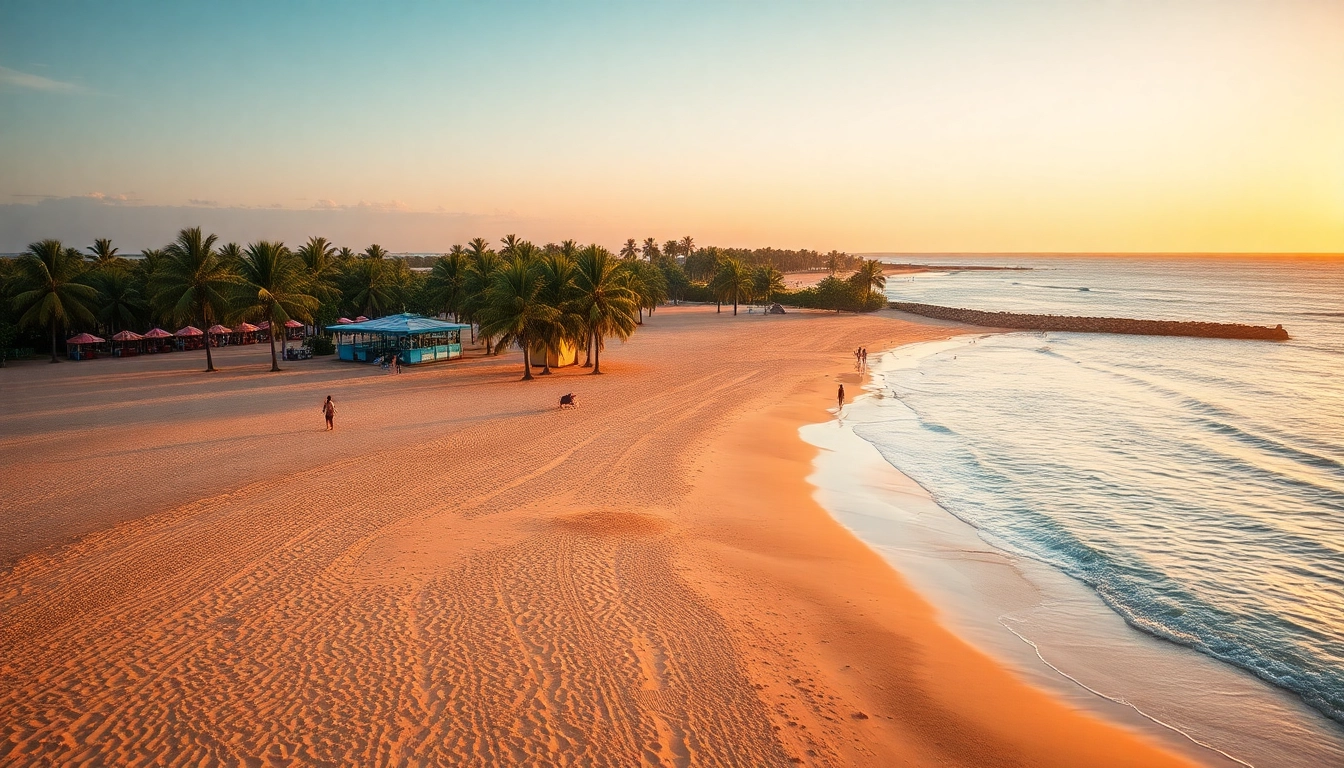
Asia’s geographical landscape is as diverse as its cultures. Ranging from arid deserts to lush rainforests, the continent’s cities are shaped by their environment. For instance, cities like Tokyo are situated near coastlines, promoting trade and access, while cities such as Ulaanbaatar experience extreme temperatures due to their high-altitude location. This geographical variety influences urban planning, infrastructure, and lifestyle across different regions.
Cultural Significance
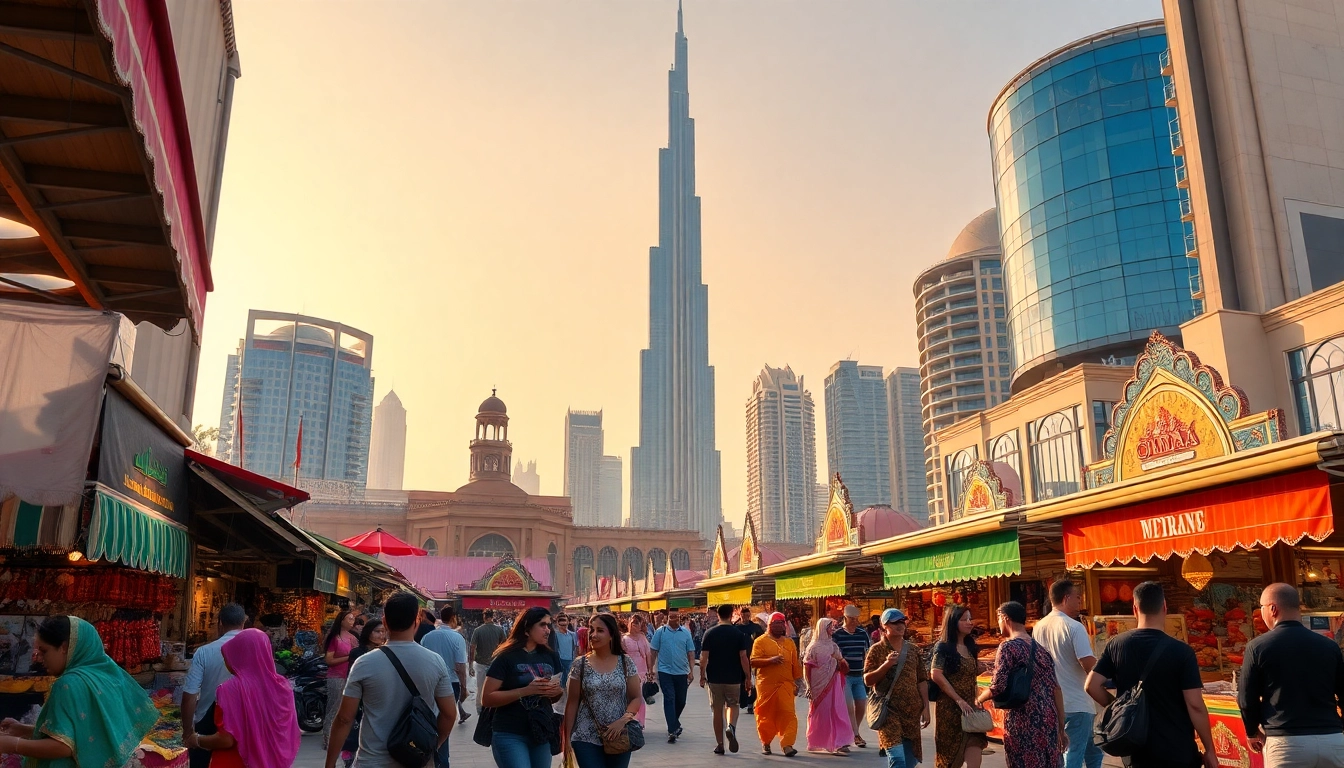
The cities in Asia serve as melting pots of cultural heritage, where ancient traditions coexist with modern innovations. Cities like Beijing and Kyoto reflect thousands of years of history, offering insights into Asia’s rich past. Meanwhile, metropolitan areas like Singapore are known for their blend of cultures, showcasing a unique mix of food, art, and architecture that attracts millions of tourists every year. Each city tells a story of its people and influences the larger cultural narrative.
Importance of Urbanization
Urbanization is a critical trend sweeping across Asia, driven by economic growth and migration. Millions are flocking to cities in search of better opportunities, thus shaping urban landscapes and demographics. This wave of migration has led to rapid city expansions, often characterized by inadequate infrastructure and housing shortages. The challenges of urban planning are significant; however, they also offer opportunities for innovation and improvement in urban living standards.
Largest Cities in Asia by Population
Determining the largest cities in Asia requires analyzing demographic data that changes frequently. With rapid population growth, these cities offer a glimpse into the future of urban living.
Demographic Overview
Asia’s demographic landscape is marked by substantial disparities in population density and urbanization rates. Cities like Tokyo and Delhi are among the most populous, with millions living in a compact metropolitan area. Conversely, some cities boast vast land areas but have lower density, affecting social dynamics and available services. Understanding these demographics helps policymakers address issues specific to urban populations, like transportation and public health.
Key Cities and Their Populations
The following cities stand out as the largest in Asia by population:
- Tokyo, Japan – Approximately 37 million inhabitants
- Delhi, India – Around 31 million inhabitants
- Shanghai, China – Nearly 25 million inhabitants
- Beijing, China – About 21 million inhabitants
- Dhaka, Bangladesh – Close to 21 million inhabitants
Each of these cities not only provides economic opportunities but also generates significant challenges in governance and infrastructure.
Growth Trends
The growth trends in these urban centers indicate a shift towards mega-cities, where populations soar above 10 million. This rapid urbanization presents a need for sustainable development initiatives. For instance, cities are investing in smart technology and green spaces to improve quality of life while managing growing populations. Understanding the trends allows urban planners and governments to implement long-term strategies to address urban challenges effectively.
Economic Impact of Major Cities in Asia
The economic clout of major cities in Asia is substantial, driving global markets and influencing international relations.
Leading Economic Hubs
Asian cities like Shanghai, Hong Kong, and Singapore are recognized as economic powerhouses. They attract foreign investments and serve as critical points for trade and commerce. The International Financial Centre in Hong Kong is known for its role in banking and finance, providing critical services to businesses across the globe. Similarly, Singapore’s status as a trade hub is enhanced by its strategic location and robust infrastructure.
Business Opportunities
Businesses thrive in these urban centers, which offer unique opportunities for startups and multinational corporations. The rise of e-commerce and tech startups has transformed traditional business environments, especially in cities like Bengaluru and Shenzhen, which are referred to as tech hubs. Entrepreneurs and investors are keenly watching these markets due to their potential for growth and innovation.
Global Connectivity
Major cities in Asia are increasingly interconnected with the world. With advancements in transportation networks, including international airports and high-speed rail, cities like Tokyo and Seoul offer swift access to other global locations. This connectivity facilitates trade partnerships, tourism, and cultural exchanges, significantly impacting their economies and bolstering international relations.
Travel and Tourism in Cities in Asia
The allure of cities in Asia extends beyond their economic significance to their rich travel and tourism offerings.
Top Attractions
Every major Asian city boasts its unique attractions. For instance, Bangkok is renowned for its vibrant street life and cultural landmarks like the Grand Palace and Wat Arun. In contrast, the historical sites of Kyoto, including ancient temples and gardens, provide a glimpse into Japan’s past. From bustling markets in Delhi to the stunning skyline of Shanghai, these cities cater to every type of tourist.
Cultural Experiences
Cultural experiences in cities like Seoul and Hanoi offer visitors an authentic taste of local life. Tourists can participate in traditional ceremonies, enjoy local cuisine, or explore arts and crafts markets. These experiences not only provide entertainment but also foster a deeper appreciation of the region’s heritage and customs.
Travel Tips for Tourists
For travelers venturing into these exciting urban landscapes, it’s essential to stay informed. Tips include understanding local customs, tips for navigating public transport, and being mindful of cultural norms. For instance, dressing modestly in cities like Jakarta can show respect for local traditions. Knowledge of basic phrases in the local language can also enhance interactions with residents, making visits more enjoyable and immersive.
Future Trends in Asian Cities
As cities in Asia continue to evolve, several key trends are shaping their future.
Sustainable Development Goals
Sustainability is becoming a priority for many Asian cities, with initiatives focusing on reducing carbon footprints and improving urban living conditions. Governments are adopting policies that promote eco-friendly practices, such as enhancing public transport, promoting green building initiatives, and expanding urban green spaces. Sustainable cities not only contribute to environmental protection but also improve residents’ quality of life.
Technological Innovations
Technological advancements are rapidly transforming urban landscapes across Asia. The rise of smart cities is evident as cities implement IoT devices, data analytics, and AI to enhance service delivery. Initiatives in cities like Singapore focus on smart transport systems, energy-efficient buildings, and enhanced public services that leverage technology to improve urban living.
Urban Challenges
Despite rapid growth and innovation, Asian cities face significant urban challenges. Issues such as traffic congestion, air pollution, and inadequate housing persist. Solutions to these challenges are crucial for sustainable development. Collaborative efforts between governments, businesses, and communities will be necessary to create livable cities for future generations.
FAQs
What are the three largest cities in Asia?
The three largest cities in Asia by population are Tokyo, Japan; Delhi, India; and Shanghai, China. These cities serve as significant cultural and economic centers.
Which Asian city has the highest population density?
Dhaka, Bangladesh, is known for its high population density, with numerous people living within a relatively small area. This density brings both challenges and opportunities.
What is the fastest growing city in Asia?
Guangzhou, China, is considered one of the fastest-growing cities in Asia, driven by industrial growth and urbanization, leading to an increase in its population and economic activity.
How does urbanization impact cities in Asia?
Urbanization leads to increased population density, economic growth, and demands for infrastructure, resulting in both opportunities for development and challenges such as pollution and housing shortages.
What cultural experiences can tourists find in Asian cities?
Tourists can find a wealth of cultural experiences in Asian cities, including traditional festivals, local cuisine, art exhibitions, historical sites, and opportunities to interact with communities.