What is an A19 Bulb?
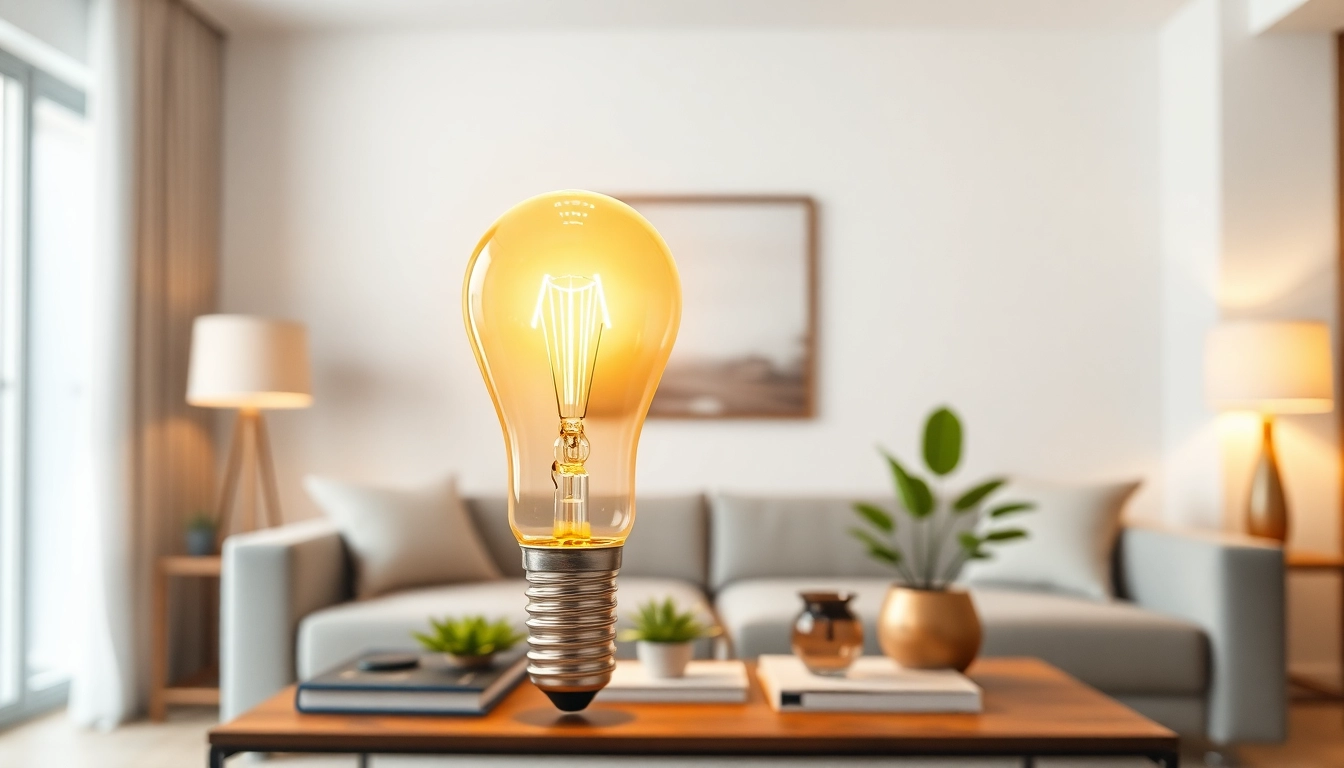
An A19 bulb is one of the most common light bulb shapes available on the market today. With a rounded body and a standard screw base, it has become a go-to choice for many lighting applications in homes and businesses alike. If you’re looking to understand what is an a19 bulb, you’ll appreciate the blend of simplicity and functionality that these bulbs offer.
Definition and Shape
The “A” in A19 stands for “Arbitrary,” indicating the bulb has a standard pear-like shape. The “19” represents the bulb’s diameter in eighths of an inch, meaning that an A19 bulb has an approximate diameter of 2.375 inches (19 divided by 8). This design is not only aesthetically pleasing but also fits seamlessly into typical light fixtures, making it a versatile option for various settings.
Common Uses
A19 bulbs are widely used in residential areas for table lamps, ceiling fixtures, and wall sconces. They are perfect for ambient lighting due to their ability to produce a soft, warm glow. In commercial settings, these bulbs can also illuminate workspaces, display areas, and reception areas where an inviting atmosphere is required.
Basic Specifications
When discussing the A19 bulb, several key specifications are relevant:
- Wattage: A19 bulbs typically range from 40 watts to 100 watts in incandescent forms, while LEDs offer lower wattages (e.g., 8 to 15 watts) with similar light output.
- Lumen Output: Lumen measurements typically range from 400 to over 1600 lumens, depending on the specific bulb type.
- Color Temperature: A19 bulbs come in various color temperatures, measured in Kelvins (K). Typical ranges are warm white (2700K) to brighter daylight (5000K).
- Base Type: The standard base for A19 bulbs is E26 in the United States, making them compatible with most light fixtures.
How Does an A19 Bulb Work?
Incandescent vs. LED Technology
A19 bulbs are primarily found in two technology types: incandescent and LED. Incandescent bulbs utilize a filament that heats up to produce light, while LED (Light Emitting Diode) bulbs work based on semiconductor technology, emitting light when electric current passes through them. LEDs are increasingly popular due to their energy efficiency and longer lifespan.
The Role of Lumens and Watts
Understanding lumens and watts is vital when considering light bulbs. Lumens measure the brightness a bulb generates, while watts indicate energy consumption. In recent years, LED A19 bulbs have shifted the conversation toward lumens, making it easier for consumers to select bulbs based on brightness rather than outdated wattage standards.
Common Circuitry in A19 Bulbs
A19 bulbs, especially LEDs, employ intricate circuitry that regulates power flow and optimizes light output. This circuitry allows for better thermal management, which prolongs the lifespan of the bulb. In contrast, standard incandescent bulbs have simpler circuitry since they produce light through resistance heating.
Advantages of Using A19 Bulbs
Energy Efficiency
One of the most significant advantages of A19 bulbs, particularly LED models, is their energy efficiency. Compared to traditional incandescent bulbs, which convert only about 10% of energy into visible light, LEDs can convert up to 80-90% into light. This translates to substantial energy savings over time, reducing both your electricity bills and environmental impact.
Longevity and Durability
A19 LED bulbs boast an impressive lifespan of up to 25,000 hours, much more than the 1,000 hours typical of incandescent bulbs. This durability alleviates the hassle of frequent replacements, making them a cost-effective choice in the long run.
Variety of Styles and Colors
Both aesthetics and function are at the forefront with A19 bulbs. They are available in various styles—ranging from traditional to decorative—and colors (from warm whites to vibrant hues). This allows you to choose a bulb that not only serves its purpose but also complements your interior design.
Installation and Replacement of A19 Bulbs
Step-by-Step Installation Guide
Installing an A19 bulb is straightforward. Follow these steps:
- Ensure the light fixture is turned off and unplugged, if applicable.
- Gently twist the old bulb counterclockwise to remove it from the socket.
- Align the new A19 bulb with the socket and twist it clockwise until secure.
- Restore power to the fixture and test the new bulb.
Identifying Compatible Fixtures
Before purchasing an A19 bulb, be sure to check the fixture specifications. Most standard fixtures accommodate A19 bulbs due to their common base, but checking wattage limits and design styles can ensure compatibility and safety.
When to Replace Your Bulb
It’s best to replace A19 bulbs when they flicker, produce dim light, or emit a buzzing sound. These issues typically indicate decreased efficiency or that the bulb is on the brink of failure. Keeping replacements on hand can help maintain consistent lighting in your space.
Frequently Asked Questions about A19 Bulbs
What is an A19 Bulb’s lifespan?
The lifespan of an A19 bulb varies by type: LED bulbs can last up to 25,000 hours, while incandescent versions may only last around 1,000 hours.
Can A19 Bulbs be used outdoors?
Yes, A19 bulbs can be used outdoors, but ensure they’re rated for outdoor use to withstand environmental conditions.
What wattage should I choose for an A19 Bulb?
Choose wattage according to your needs; generally, 40-100 watts for incandescent and 8-15 watts for LED will suffice for most situations.
Are A19 Bulbs dimmable?
Many A19 bulbs are available in dimmable options, but check compatibility with your dimmer switch for optimal performance.
How do I choose the right color temperature?
Select a color temperature based on the ambiance desired: warmer (2700K) for cozy settings and cooler (5000K) for a bright, energetic feel.